

Introduction
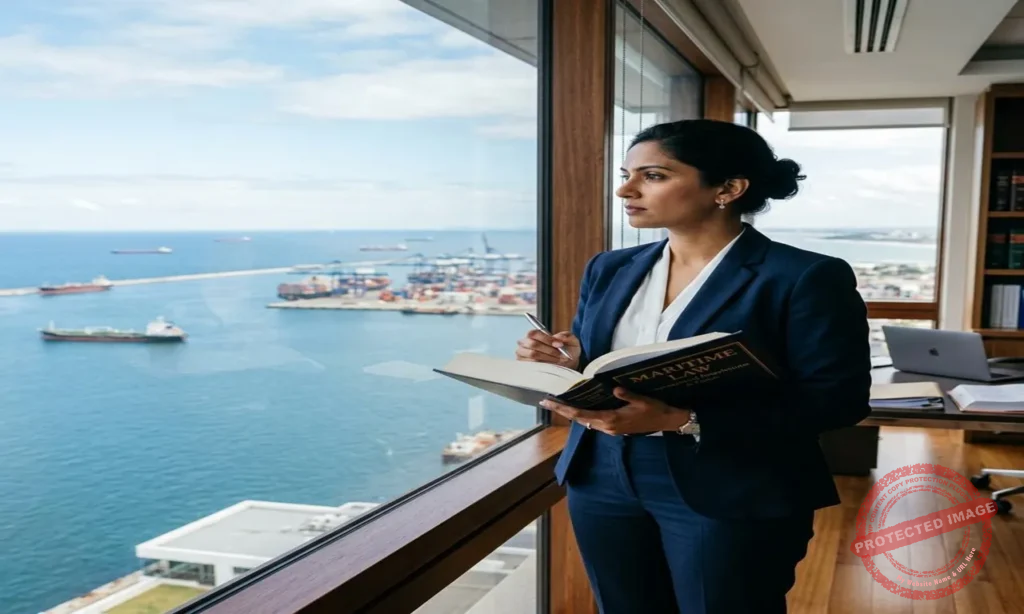
Maritime/Admiralty Law protects people, businesses, and workers involved in shipping, offshore jobs, cargo transport, and ocean related activities. Have you or someone you know faced an offshore injury, cargo dispute, ship accident, or legal conflict at sea? Maritime legal issues often create financial stress, business risks, and uncertainty because standard laws usually do not apply on water. Many workers, ship owners, and families feel confused about their legal protections after accidents or disputes happen. Understanding Maritime/Admiralty Law helps people protect rights, seek compensation, resolve shipping conflicts, and avoid costly legal mistakes. Taking action early often strengthens claims and improves financial recovery opportunities.
What Is Maritime/Admiralty Law?
Maritime/Admiralty Law refers to legal rules governing activities involving oceans, rivers, shipping, cargo, maritime workers, and vessel operations. These laws protect ship owners, injured workers, passengers, and businesses dealing with transportation by water. For example, offshore injuries or shipping contract disputes often fall under maritime legal protections instead of normal state laws. Understanding legal coverage helps people avoid confusion during difficult situations.
Why Maritime/Admiralty Law Is Different
Maritime/Admiralty Law differs from ordinary legal systems because incidents occurring on navigable waters often follow separate federal and international rules. Imagine suffering an injury offshore where regular workplace laws may not apply. Unlike traditional legal disputes, maritime claims frequently involve vessel ownership, international shipping regulations, and worker protections. Understanding these differences often helps victims and businesses protect legal rights more effectively.
Common Cases Under Maritime/Admiralty Law
Many legal issues fall under Maritime/Admiralty Law, including offshore injuries, cargo disputes, ship collisions, environmental violations, and passenger injuries. For example, injured seamen may seek compensation under specialized maritime protections unavailable in standard workplace claims. Recognizing common legal situations helps workers, businesses, and passengers understand when maritime legal guidance becomes necessary after accidents or disputes involving vessels.
Signs You Need Maritime Legal Help
If offshore accidents, unpaid compensation, shipping disputes, vessel damage, or maritime contracts create problems, seeking guidance involving Maritime/Admiralty Law becomes important. Warning signs often include denied injury claims, cargo losses, or insurance disputes. Many people delay legal help because maritime systems feel complicated. Early legal support often strengthens claims and improves opportunities for financial recovery or dispute resolution.
Who Is Protected Under Maritime/Admiralty Law?
Legal protections under Maritime/Admiralty Law often apply to seamen, offshore workers, ship crews, passengers, dock workers, vessel owners, and shipping businesses. Imagine someone injured while working aboard a cargo vessel far from shore. Understanding who qualifies for maritime protections helps workers and families recognize when specialized laws may provide stronger financial or legal recovery opportunities.
Most Common Maritime Worker Injuries
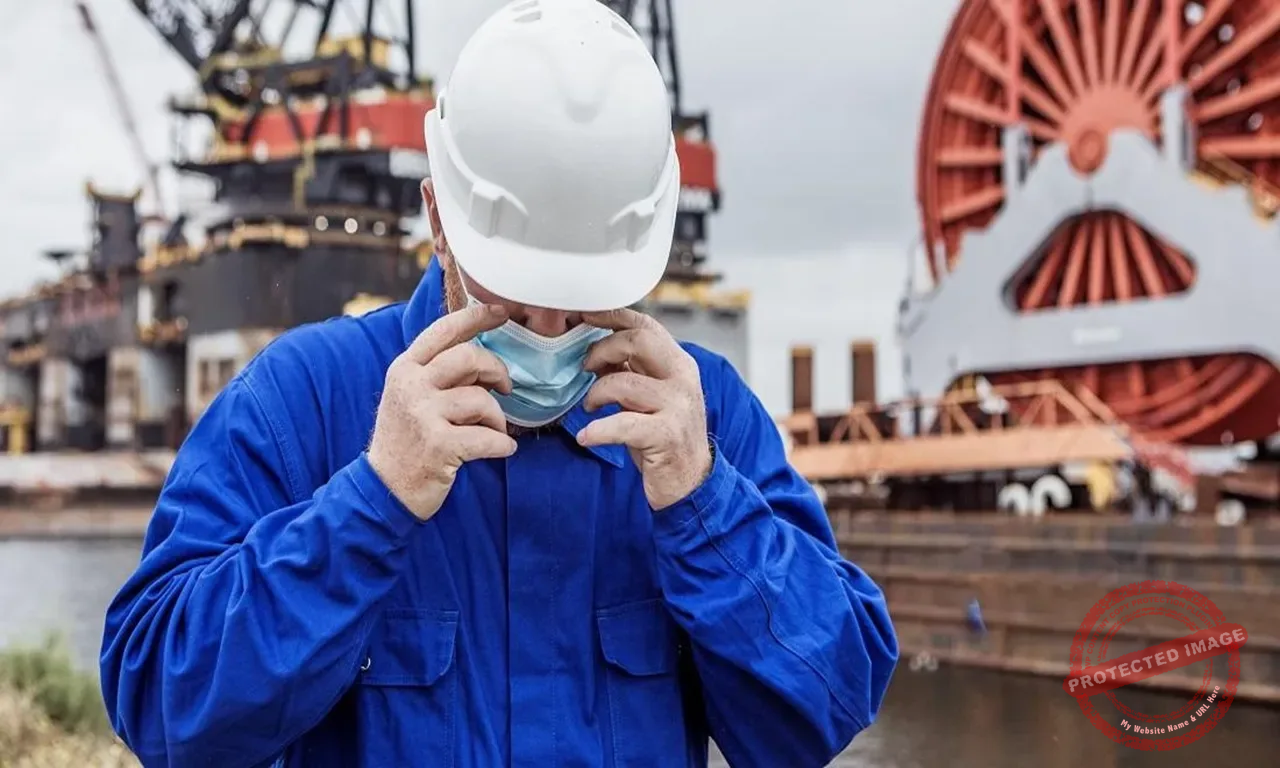
Maritime workers frequently experience slip injuries, equipment accidents, burns, drowning risks, repetitive strain injuries, and severe offshore trauma. Maritime/Admiralty Law often protects injured workers facing unsafe ship conditions or employer negligence. For example, poor vessel maintenance may lead to serious accidents affecting workers permanently. Recognizing common injuries often helps workers understand when legal protection becomes necessary after offshore incidents.
How Offshore Accidents Happen
Offshore accidents often result from equipment failures, unsafe working conditions, poor training, fatigue, or employer negligence. Maritime/Admiralty Law helps determine legal responsibility after serious vessel incidents. Think about dangerous machinery malfunctioning during rough weather conditions. Legal action often becomes necessary when negligence contributes to severe injuries, financial losses, or long term health problems for maritime workers.
Understanding Seamen Rights Under Maritime Law
Seamen often receive unique legal protections unavailable to ordinary workers. Maritime/Admiralty Law includes rights involving medical treatment, compensation, safe working conditions, and maintenance benefits after injuries. For example, injured workers may qualify for wage support while recovering. Understanding seamen rights often helps workers avoid accepting unfair treatment or denied compensation after maritime accidents.
What To Do After a Maritime Accident
After offshore accidents happen, workers or families should document injuries, report incidents, preserve medical records, and gather witness information. Maritime/Admiralty Law claims often depend heavily on strong evidence. Many workers weaken cases accidentally by delaying medical treatment or accepting employer explanations too quickly. Fast responses often strengthen legal outcomes and improve compensation opportunities significantly.
How Evidence Strengthens Maritime Claims
Evidence often determines whether Maritime/Admiralty Law claims succeed or fail. Medical reports, vessel logs, witness statements, maintenance records, and accident photographs strengthen legal cases considerably. For example, proving poor equipment maintenance may establish negligence after injuries occur. Strong documentation often improves compensation opportunities and strengthens accountability after shipping accidents or offshore incidents.
Choosing the Right Maritime Lawyer
Choosing the right attorney greatly affects outcomes involving Maritime/Admiralty Law claims. Not every lawyer understands offshore injuries, vessel disputes, or shipping regulations properly. Look for legal professionals experienced with maritime worker injuries, shipping contracts, and federal maritime protections. Similar to trusting a specialist doctor for serious health concerns, legal specialization often improves case results significantly.
Questions To Ask Before Hiring a Maritime Lawyer
Before hiring legal help, workers and businesses should ask about maritime experience, communication style, fees, and previous results. Cases involving Maritime/Admiralty Law often require specialized knowledge unavailable through ordinary personal injury attorneys. Asking about offshore accident claims or shipping disputes may reveal valuable expertise. Strong communication matters because maritime cases often involve financial pressure and emotional stress.

How Maritime Lawyers Investigate Cases
A professional attorney handling Maritime/Admiralty Law claims reviews vessel records, maintenance reports, accident evidence, medical documents, and witness testimony carefully. Attorneys may also investigate employer negligence or regulatory violations affecting safety. Think of investigations like solving a puzzle where every missing detail matters. Ignored safety concerns or repeated problems often reveal strong evidence supporting compensation claims.
Maritime Injury Settlements Explained
Many Maritime/Admiralty Law claims settle through negotiations instead of lengthy court battles. Settlement amounts often depend on injury severity, lost wages, emotional suffering, and negligence evidence. Someone permanently injured because of unsafe ship conditions may deserve stronger compensation. Skilled legal negotiation often prevents workers or families from accepting weak settlement offers too quickly.
Can You Sue After a Maritime Accident?
Yes, injured workers or families may sue employers, ship owners, or responsible parties under Maritime/Admiralty Law when negligence contributes to accidents. For example, unsafe vessels or ignored safety procedures may create strong legal claims. Companies sometimes deny responsibility, but accountability still matters. Legal action often becomes necessary after serious offshore injuries or shipping related losses.
Understanding Maritime Insurance Disputes
Insurance disputes often happen after offshore injuries, damaged cargo, or vessel accidents. Maritime/Admiralty Law helps determine whether insurers handled claims fairly or denied benefits improperly. Imagine losing valuable cargo while insurance companies delay compensation unfairly. Understanding insurance conflicts often helps businesses and workers seek stronger financial recovery after maritime incidents or shipping related losses.
Maritime/Admiralty Law Fees and Costs
Legal costs involving Maritime/Admiralty Law cases vary depending on claim complexity, attorney experience, and case type. Many offshore injury lawyers work through contingency fees, meaning payment often depends on compensation success. Workers already facing financial stress after accidents often worry about legal expenses. Transparent guidance often helps families and businesses make confident legal decisions.
Understanding Emotional and Financial Damages
Victims of maritime accidents sometimes recover compensation involving emotional suffering, lost income, medical costs, and future financial harm. Maritime/Admiralty Law helps injured workers calculate damages according to accident severity and long term impact. For example, permanent injuries affecting work ability often justify stronger compensation. Financial recovery deserves serious attention after serious offshore incidents or shipping disputes.
How Long Maritime Cases Take
Claims involving Maritime/Admiralty Law vary depending on evidence, legal complexity, negotiations, and injury severity. Some cases settle quickly while others require formal legal proceedings lasting much longer. Workers sometimes rush into poor settlements because financial pressure feels overwhelming. Patience often matters because accepting weak compensation too early may reduce future recovery opportunities significantly.
Mistakes That Can Hurt Maritime Claims
Many workers accidentally weaken Maritime/Admiralty Law claims by delaying medical treatment, ignoring evidence, or accepting settlements too quickly. Imagine losing strong proof simply because incident reports were never preserved properly. Avoiding common mistakes often strengthens compensation opportunities and improves accountability after offshore injuries, cargo disputes, or maritime negligence claims.
How Employers Handle Maritime Injury Complaints
Some maritime employers respond responsibly after offshore injuries, while others delay claims or deny accountability unfairly. Maritime/Admiralty Law helps workers understand whether employers followed legal safety responsibilities properly. Imagine reporting a serious vessel injury only to face ignored complaints or delayed medical support. Understanding employer obligations often helps injured workers recognize when stronger legal action becomes necessary after unfair treatment.
When Maritime Cases Go to Court
Some Maritime/Admiralty Law claims settle through negotiations, while others require courtroom action when ship owners or insurers deny responsibility. Attorneys prepare evidence, witness testimony, and legal arguments carefully before trial proceedings begin. Think of court as a final opportunity to seek justice after failed settlement discussions. Strong preparation often improves legal outcomes and encourages responsible parties to negotiate seriously.
The Role of Witness Statements in Maritime Cases
Witness testimony often strengthens Maritime/Admiralty Law claims significantly. Lawyers interview crew members, passengers, supervisors, or workers who observed accidents directly. Imagine several crew members confirming unsafe working conditions before serious injuries happened. Reliable witness statements often improve compensation opportunities and strengthen accountability during settlement talks or courtroom proceedings involving offshore accidents or negligence.
Can Families Support Maritime Injury Claims?
Family members often provide valuable emotional support and important evidence after serious maritime injuries. Maritime/Admiralty Law sometimes considers how accidents affect loved ones emotionally and financially. Imagine families watching injured workers struggle with medical recovery after dangerous offshore incidents. Family involvement often becomes emotionally important during legal battles involving compensation, medical costs, or future financial concerns.

Understanding Wrongful Death Under Maritime Law
Wrongful death claims happen when maritime negligence causes fatal offshore accidents. Maritime/Admiralty Law allows surviving family members to seek compensation for financial losses, funeral costs, and emotional suffering. For example, ignored safety procedures causing fatal vessel accidents may support strong legal claims. Understanding wrongful death protections often helps families pursue accountability during devastating circumstances involving preventable maritime tragedies.
How Maritime Settlements Are Calculated
Settlement amounts under Maritime/Admiralty Law often depend on injury severity, lost wages, emotional distress, medical expenses, and employer negligence. Someone permanently injured because of unsafe ship equipment may deserve stronger financial recovery. Accurate case evaluations often help injured workers avoid weak settlements and improve opportunities for fair compensation after offshore accidents or vessel related injuries.
Why Timing Matters in Maritime Cases
Taking quick action after accidents often strengthens Maritime/Admiralty Law claims significantly. Workers should preserve records, gather evidence, and seek medical treatment immediately. Waiting too long may weaken witness testimony or reduce evidence quality. Fast responses often improve legal outcomes and strengthen compensation opportunities after offshore injuries, cargo losses, or vessel related negligence claims.
Maritime Lawyer vs Personal Injury Lawyer
Not every personal injury attorney understands Maritime/Admiralty Law or offshore accident protections properly. Maritime lawyers specialize in seamen rights, vessel injuries, shipping disputes, and federal maritime protections. Hiring someone experienced in maritime cases often improves strategies and legal outcomes significantly. Similar to seeing a specialist doctor for serious medical conditions, legal specialization matters greatly in offshore claims.
How Unsafe Vessel Conditions Cause Injuries
Unsafe vessel conditions often involve broken equipment, poor maintenance, slippery surfaces, unsafe training, or ignored hazards. Maritime/Admiralty Law investigates whether ship owners failed to maintain safe working environments. Think about dangerous machinery failing during storms because repairs were ignored. Understanding vessel safety issues often helps workers recognize when employer negligence may justify compensation claims.
Emotional Trauma After Maritime Accidents
Maritime accidents often create emotional suffering involving anxiety, depression, fear, or long term stress after serious injuries. Maritime/Admiralty Law sometimes includes emotional damages when calculating compensation. For example, workers surviving dangerous offshore incidents may struggle emotionally long after physical recovery ends. Emotional recovery deserves serious attention because maritime accidents often affect more than physical health alone.
How Maritime Lawyers Negotiate Settlements
Negotiation skills often determine compensation outcomes involving Maritime/Admiralty Law claims. Attorneys review medical records, financial losses, and negligence evidence while challenging employer defenses. Companies sometimes pressure injured workers into accepting lower offers quickly. Skilled negotiation often improves recovery involving medical expenses, lost wages, emotional suffering, and future financial security after maritime injuries.
What Happens During a Maritime Legal Consultation
A legal consultation helps workers or families understand rights and legal options after offshore accidents happen. Attorneys handling Maritime/Admiralty Law claims review vessel reports, medical records, witness statements, and accident details carefully. Think of consultations like building a roadmap toward justice and financial recovery. Honest discussions often help injured workers understand whether legal protections apply and what next steps make sense.
Can Passengers File Maritime Injury Claims?
Passengers injured aboard cruise ships, ferries, or other vessels may qualify for compensation under Maritime/Admiralty Law protections. For example, unsafe conditions causing slip injuries or accidents aboard ships may support strong legal claims. Understanding passenger rights often helps victims seek compensation after preventable maritime incidents involving negligence or dangerous vessel conditions.
How Shipping Companies Defend Maritime Claims
Shipping companies often deny responsibility, question evidence, or argue workers contributed to accidents themselves. Maritime/Admiralty Law attorneys challenge these defenses using maintenance records, witness testimony, and accident evidence. Imagine companies blaming injured workers despite ignored safety concerns. Strong preparation often improves accountability and strengthens compensation opportunities after serious maritime accidents or negligence claims.
Long Term Effects of Maritime Injuries
Maritime injuries sometimes create lasting physical, emotional, and financial consequences. Maritime/Admiralty Law considers long term medical needs, reduced earning ability, and emotional suffering when calculating compensation. Someone permanently injured during offshore work may deserve stronger recovery. Understanding future impacts often helps workers pursue settlements reflecting more than immediate medical costs alone.
Why Experience Matters in Maritime Cases
Experience matters greatly when handling Maritime/Admiralty Law claims involving offshore accidents, shipping disputes, and worker protections. Experienced attorneys understand vessel operations, maritime regulations, and employer defenses. Similar to trusting an experienced captain during rough seas, strong legal guidance often improves confidence and strengthens outcomes after serious offshore incidents or workplace injuries.
Maritime Case Success Stories
Many workers and families successfully recover compensation after proving negligence contributed to maritime accidents. Maritime/Admiralty Law often helps victims recover lost wages, medical costs, and emotional damages after offshore injuries. For example, workers harmed because of ignored safety hazards have received meaningful settlements. Real success stories often encourage injured people to protect rights instead of remaining silent.
Common Maritime Mistakes to Avoid
Simple mistakes sometimes weaken Maritime/Admiralty Law claims significantly. Delaying treatment, ignoring evidence, accepting quick settlements, or failing to document incidents may reduce compensation opportunities. Imagine losing valuable evidence because reports were never completed properly. Avoiding common mistakes often strengthens claims and improves accountability after maritime accidents or offshore negligence.
How Maritime Accidents Affect Families
Maritime injuries often affect entire families emotionally and financially. Maritime/Admiralty Law sometimes considers how accidents create stress, medical expenses, and uncertainty for loved ones. Imagine families struggling while injured workers cannot return to offshore jobs. Emotional suffering involving fear, financial pressure, and instability often becomes an important factor during compensation discussions.
Final Steps Before Filing a Maritime Claim
Before filing claims, workers or families should preserve records, gather witness information, seek medical treatment, and document accidents carefully. Maritime/Admiralty Law claims often become stronger with proper preparation. Think of preparation like building a strong foundation before major decisions. Good planning often strengthens accountability and improves compensation opportunities after maritime accidents or vessel related disputes.
Future Legal Changes in Maritime Law
Maritime/Admiralty Law continues evolving as shipping industries expand, offshore technology improves, and worker protections become stronger. Courts regularly review legal standards involving vessel safety, environmental concerns, and worker compensation. For example, stricter offshore safety requirements may increase employer accountability after accidents. Understanding future legal developments often helps workers, businesses, and families stay informed while protecting financial and legal interests after maritime incidents.
How Technology Is Changing Maritime Cases
Technology increasingly helps strengthen Maritime/Admiralty Law claims through vessel tracking systems, digital maintenance logs, surveillance footage, and accident reporting software. Electronic evidence sometimes clearly proves negligence or unsafe working conditions. Think about safety cameras exposing ignored hazards aboard ships. Strong digital documentation often improves accountability, compensation opportunities, and legal outcomes after offshore injuries or shipping disputes.
Expert Advice for Protecting Maritime Rights
Protecting legal rights begins immediately after offshore accidents or shipping disputes happen. Workers and families should preserve records, report injuries, seek medical treatment, and avoid signing agreements too quickly. Maritime/Admiralty Law often depends on strong evidence and timely action. Fast preparation frequently improves legal outcomes, strengthens accountability, and increases compensation opportunities after maritime injuries or vessel related negligence.
Mistakes Workers Should Avoid During Maritime Claims
Many workers accidentally weaken Maritime/Admiralty Law claims by delaying medical care, ignoring evidence, or accepting settlement offers too quickly. For example, missing incident reports may reduce compensation opportunities later. Imagine losing valuable proof simply because injuries were never documented properly. Avoiding common mistakes often strengthens claims and improves accountability after offshore accidents or maritime negligence cases.
Why Legal Support Matters After Maritime Accidents
Maritime accidents often create emotional stress, medical expenses, lost wages, and uncertainty about the future. Maritime/Admiralty Law provides important protections, but legal systems may feel overwhelming without experienced guidance. Workers and families frequently feel powerless against large shipping companies or insurers. Professional legal support often improves confidence, strengthens compensation opportunities, and protects financial stability after offshore injuries or shipping disputes.
FAQs
What is Maritime/Admiralty Law?
Maritime/Admiralty Law governs legal issues involving ships, offshore workers, cargo disputes, passenger injuries, vessel accidents, and transportation on navigable waters.
Who qualifies for Maritime/Admiralty Law protection?
Seamen, offshore workers, passengers, dock workers, ship owners, and shipping businesses may qualify for protections under Maritime/Admiralty Law depending on circumstances.
Can I sue after a maritime accident?
Yes, injured workers or families may sue employers, ship owners, or responsible parties under Maritime/Admiralty Law when negligence contributes to accidents.
How much do maritime lawyers charge?
Many attorneys handling Maritime/Admiralty Law claims work through contingency fees, meaning payment often depends on compensation recovery success.
What compensation can maritime injury victims recover?
Victims may recover compensation involving medical bills, lost wages, emotional suffering, rehabilitation costs, and future financial damages.
How long do maritime claims take?
Timelines vary depending on legal complexity, evidence, negotiations, and whether claims settle quickly or move into formal court proceedings.
Do I need legal help for minor maritime injuries?
Yes, even minor injuries may become serious later. Speaking with a legal professional helps protect rights under Maritime/Admiralty Law and strengthens recovery opportunities.
Conclusion
Maritime accidents and offshore legal disputes can quickly become stressful, confusing, and financially overwhelming. Whether the issue involves vessel injuries, unsafe working conditions, cargo disputes, insurance conflicts, or wrongful death claims, understanding Maritime/Admiralty Law becomes essential for protecting your future. These laws provide important protections for workers, passengers, businesses, and families navigating complicated legal situations at sea. Taking action quickly often strengthens evidence, improves compensation opportunities, and helps prevent costly legal mistakes. Working with experienced maritime legal professionals often makes a major difference when dealing with powerful shipping companies or insurers.