
Introduction
Entertainment Law plays an important role in protecting artists, musicians, actors, influencers, filmmakers, and media companies from costly legal disputes. Have you ever wondered how celebrities protect contracts, copyrights, and business deals in the entertainment industry? Without proper legal guidance, creators may face unfair contracts, intellectual property theft, payment disputes, or reputation damage. Entertainment Law helps professionals understand legal rights while protecting creative work and business interests. Whether you are an independent creator or managing a production company, understanding Entertainment Law can help you avoid expensive mistakes and build a stronger, safer, and more profitable career.
What Is Entertainment Law?
Entertainment Law refers to legal rules and agreements that protect creators, performers, production companies, and entertainment businesses. It covers contracts, copyrights, licensing, trademarks, royalties, employment disputes, and intellectual property rights. Many artists feel overwhelmed because legal paperwork often seems confusing and intimidating. Entertainment Law helps creators understand rights and responsibilities while protecting earnings and ownership. Strong legal knowledge often prevents disputes and improves confidence during professional negotiations and creative business decisions.
Why Entertainment Law Matters
Entertainment Law matters because creators often face contracts, copyright concerns, royalty issues, and business disputes that may affect careers significantly. Musicians, actors, influencers, filmmakers, and digital creators all rely on legal protection to secure fair opportunities. Similar to protecting valuable property, Entertainment Law safeguards creative work from misuse or exploitation. Many professionals discover legal problems only after signing unfair agreements. Understanding legal protections early often improves career growth and long-term financial security.
Who Needs Entertainment Law Protection?
Anyone involved in media, content creation, performing arts, or creative business may benefit from Entertainment Law guidance. Musicians, actors, authors, athletes, social media influencers, producers, and filmmakers frequently face legal risks related to contracts and ownership rights. Many creators assume legal problems only affect celebrities, but even smaller professionals encounter disputes. Entertainment Law helps individuals understand agreements and avoid unnecessary financial or professional setbacks while growing careers more safely.
How Entertainment Law Protects Artists
Artists often invest years building creative careers, making legal protection essential. Entertainment Law helps artists secure contracts, ownership rights, payment agreements, copyright protection, and fair licensing terms. Without legal support, creators may unintentionally lose control over valuable work. Many musicians and performers regret signing contracts without understanding consequences. Strong legal awareness often helps artists preserve creative ownership while improving financial opportunities and reducing career risks significantly over time.
Entertainment Law for Musicians
Musicians frequently deal with contracts involving record labels, streaming rights, publishing agreements, licensing deals, and royalty payments. Entertainment Law helps artists understand legal responsibilities before signing agreements that affect income and ownership. Many musicians feel pressured to accept early opportunities without reviewing contract details carefully. Legal guidance often prevents future disputes involving copyrights or unpaid royalties. Better legal understanding frequently improves long-term earning potential and career control for music professionals.
Entertainment Law for Actors
Actors often depend on contracts covering auditions, film projects, endorsements, union agreements, and talent representation. Entertainment Law protects actors from unfair payment structures, hidden obligations, or career limitations created by confusing agreements. Many performers sign contracts quickly without recognizing long-term restrictions affecting future opportunities. Strong legal guidance often helps actors negotiate fairer compensation and better working conditions. Understanding legal protections early usually supports stronger and more sustainable acting careers.
Entertainment Law for Influencers
Social media influencers increasingly depend on sponsorship agreements, advertising partnerships, licensing rights, and brand collaborations. Entertainment Law helps influencers protect content ownership while ensuring fair payment terms in marketing deals. Many creators underestimate how quickly legal problems develop when contracts feel rushed or unclear. Strong legal awareness often reduces disputes involving unpaid promotions or intellectual property misuse. Understanding legal protections may help influencers grow brands more safely and profitably.
Entertainment Law and Copyright Protection
Copyright protection plays a major role in Entertainment Law because creators rely on ownership rights to protect music, films, artwork, books, and digital content. Without copyright protection, others may copy or profit unfairly from original work. Many creators feel frustrated when ideas get stolen or misused online. Entertainment Law helps establish ownership rights and legal remedies. Better copyright awareness often strengthens financial protection and long-term creative control significantly.
How Entertainment Contracts Work
Entertainment contracts explain payment terms, ownership rights, project obligations, licensing agreements, confidentiality expectations, and performance requirements. Entertainment Law helps creators understand legal details before committing to agreements affecting careers and income. Many people feel excited about opportunities and overlook contract risks entirely. Similar to reading mortgage terms before buying a house, careful legal review often prevents costly misunderstandings later. Strong contract awareness frequently improves professional confidence and long-term success.
Entertainment Law for Film Producers
Film producers regularly manage legal responsibilities involving financing, production agreements, intellectual property rights, talent contracts, and distribution deals. Entertainment Law helps producers avoid disputes while protecting project investments and creative ownership. Many production companies face financial losses because agreements lacked proper legal review. Legal preparation often improves collaboration while reducing misunderstandings involving actors, studios, or investors. Strong legal guidance usually supports smoother production and stronger financial security.
Entertainment Law for Content Creators
Content creators working on podcasts, YouTube channels, blogs, streaming platforms, or digital media increasingly depend on Entertainment Law protections. Contracts, copyright claims, sponsorship issues, and licensing disputes may affect income quickly. Many creators assume content ownership remains automatic without understanding platform agreements fully. Legal guidance often helps creators maintain control over content while reducing risks linked to partnerships or intellectual property conflicts. Strong legal awareness frequently improves business growth opportunities.
Entertainment Law and Licensing Agreements
Licensing agreements allow creators to grant legal permission for others to use music, films, videos, trademarks, or digital content under specific conditions. Entertainment Law ensures creators receive proper payment while protecting ownership rights. Many artists lose valuable income by misunderstanding licensing details. Legal review often helps prevent unfair agreements that undervalue creative work. Understanding licensing better frequently creates stronger financial opportunities while maintaining long-term control over intellectual property.

Entertainment Law for Record Deals
Record deals may offer exciting opportunities, but contracts often contain terms affecting royalties, ownership rights, exclusivity, and future earnings. Entertainment Law helps musicians understand hidden legal obligations before signing agreements. Many artists later regret accepting contracts without legal review. Strong legal guidance often protects ownership interests while improving negotiation outcomes. Similar to reviewing business investments carefully, contract awareness frequently reduces financial risks and supports stronger music careers.
Common Legal Problems in Entertainment Law
Entertainment Law often addresses disputes involving contracts, unpaid royalties, intellectual property theft, defamation, licensing disagreements, or unfair compensation. Many creators feel overwhelmed when legal issues suddenly threaten income or professional reputation. Early legal awareness often reduces confusion and improves decision-making. Similar to preventing health problems before they worsen, understanding legal risks frequently helps creators avoid expensive lawsuits while protecting long-term business opportunities and creative success.
Entertainment Law vs Intellectual Property Law
Entertainment Law and intellectual property law overlap frequently, but they serve slightly different purposes. Intellectual property law focuses mainly on ownership rights involving trademarks, copyrights, and patents, while Entertainment Law includes contracts, talent agreements, licensing, and media disputes. Many creators confuse the two areas and overlook important protections. Understanding the difference often improves legal planning. Strong legal awareness frequently helps artists and businesses avoid misunderstandings involving ownership and compensation.
How Entertainment Law Protects Royalties
Royalties often become a major source of income for creators, making legal protection extremely important. Entertainment Law helps musicians, filmmakers, writers, and performers secure fair payment from streaming, licensing, performances, and distribution agreements. Many creators lose income because contracts contain unclear royalty terms. Strong legal review often improves financial transparency and prevents disputes involving unpaid earnings. Better royalty protection frequently creates stronger long-term financial stability for entertainment professionals.
Entertainment Law for Brand Partnerships
Brand partnerships may create exciting business opportunities, but unclear contracts sometimes cause payment disputes or reputation problems. Entertainment Law helps influencers, actors, musicians, and creators negotiate safer endorsement agreements. Many professionals underestimate how sponsorship obligations affect future opportunities and personal branding. Legal review often improves fairness while reducing risks linked to advertising compliance or contract misunderstandings. Better legal protection frequently supports stronger partnerships and higher earning potential.
How Entertainment Law Handles Disputes
Entertainment disputes may involve unpaid royalties, broken contracts, intellectual property theft, licensing disagreements, or reputation concerns. Entertainment Law provides legal solutions helping creators resolve conflicts professionally and efficiently. Many disputes become expensive when ignored too long. Strong legal guidance often encourages negotiation before lawsuits become necessary. Similar to solving business disagreements quickly, early legal action frequently protects careers, finances, and long-term professional relationships within entertainment industries.
Entertainment Law for Streaming Platforms
Streaming platforms created new opportunities for creators but also introduced legal concerns involving copyright, monetization, licensing, and payment structures. Entertainment Law helps creators understand agreements linked to YouTube, Spotify, Netflix, Twitch, and podcast platforms. Many professionals overlook platform terms affecting ownership rights or earnings. Legal understanding often improves negotiation power while protecting financial interests. Better awareness frequently helps creators build stronger digital businesses with reduced legal risks.
Mistakes to Avoid in Entertainment Law
Common Entertainment Law mistakes include signing contracts without review, ignoring copyright registration, misunderstanding royalty agreements, or trusting verbal promises. Many creators focus only on opportunities without considering long-term risks. Similar to starting a business without insurance, legal mistakes often become expensive later. Strong legal awareness frequently helps creators avoid financial loss and professional setbacks. Understanding common risks often supports smarter career decisions and stronger protection for creative work.
Entertainment Law for Television Contracts
Television contracts often include payment terms, exclusivity clauses, production obligations, and performance expectations that may affect careers long term. Entertainment Law helps actors, producers, hosts, and creators understand legal details before signing agreements. Many professionals become excited about television opportunities and overlook contract restrictions affecting future projects. Strong legal guidance often prevents disputes involving compensation or creative rights. Better contract awareness frequently helps entertainment professionals build stronger careers while protecting financial interests.
Entertainment Law for Independent Artists
Independent artists often manage careers without large agencies or legal teams, making legal understanding especially important. Entertainment Law helps musicians, writers, filmmakers, and performers protect ownership rights while negotiating contracts safely. Many independent creators unknowingly accept unfair deals because opportunities feel urgent. Strong legal awareness often improves confidence during partnerships and licensing discussions. Understanding contracts and copyright protections frequently helps artists grow careers while keeping control over creative work and profits.
Entertainment Law and Trademark Protection
Trademark protection helps creators secure names, logos, slogans, and brand identities from unauthorized use. Entertainment Law helps musicians, influencers, production companies, and creators protect valuable branding assets. Many entertainment professionals underestimate how important legal ownership becomes as popularity grows. Without trademark protection, competitors may copy recognizable identities and confuse audiences. Strong legal planning often reduces future disputes while helping creators protect brand reputation and long-term financial opportunities successfully.
Entertainment Law for Sports Professionals
Sports professionals frequently deal with sponsorship contracts, licensing agreements, endorsement partnerships, and media appearances. Entertainment Law helps athletes understand legal obligations while protecting earnings and professional reputation. Many players focus mainly on performance without fully understanding contract details affecting future opportunities. Strong legal guidance often prevents financial disputes and unfair agreements. Better awareness frequently helps athletes secure stronger endorsement deals while reducing career risks related to branding and public image.
How Entertainment Law Protects Creative Ownership
Creative ownership often becomes one of the most valuable assets for musicians, filmmakers, authors, and content creators. Entertainment Law helps professionals maintain rights over original ideas, scripts, performances, and productions. Many creators unknowingly surrender ownership through rushed contracts or confusing licensing agreements. Strong legal preparation often improves long-term earning potential and creative freedom. Better ownership protection frequently helps professionals preserve control over valuable intellectual property for future opportunities.
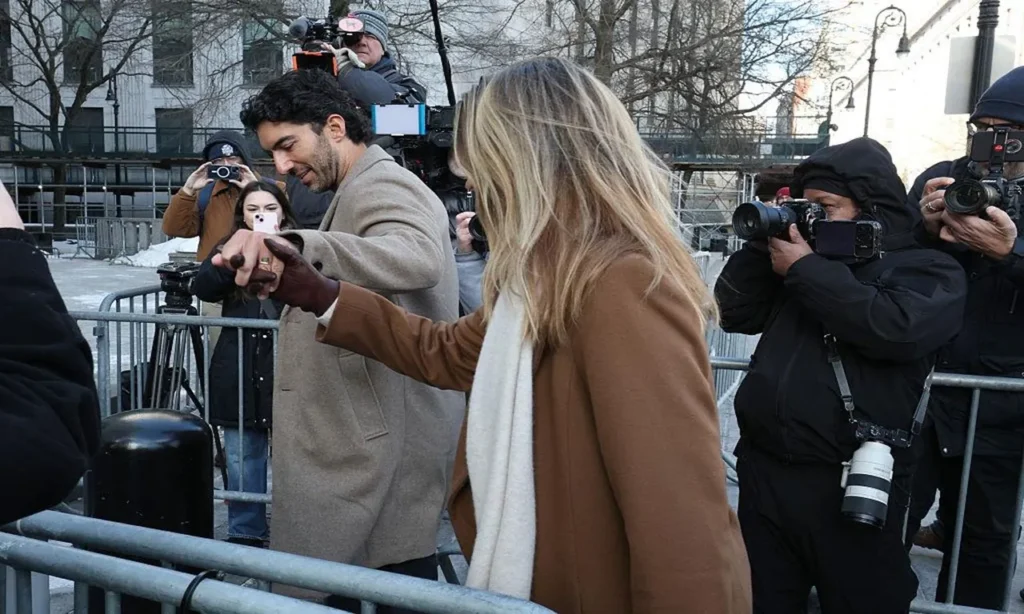
Entertainment Law for Celebrity Endorsements
Celebrity endorsements involve contracts covering payments, image rights, advertising expectations, exclusivity terms, and reputation protection. Entertainment Law helps celebrities and public figures avoid legal misunderstandings that may damage careers or income. Many endorsement agreements contain hidden obligations affecting future brand relationships. Strong legal review often improves negotiation results while protecting public image and financial interests. Better legal guidance frequently supports more successful long-term endorsement partnerships and brand collaborations.
Entertainment Law and Defamation Issues
Defamation issues may arise when false statements damage a performer’s reputation, career opportunities, or public image. Entertainment Law helps actors, influencers, athletes, and creators respond legally to misleading accusations or harmful content. Many professionals underestimate how quickly negative publicity spreads online. Strong legal support often protects reputation while helping creators manage disputes professionally. Understanding defamation protections frequently reduces long-term career damage and improves confidence during public controversies or media conflicts.
Entertainment Law for Talent Agencies
Talent agencies often negotiate opportunities, contracts, auditions, and brand partnerships for entertainers. Entertainment Law helps ensure agency agreements remain fair and legally balanced. Many creators sign representation deals without understanding commission structures or exclusivity clauses fully. Strong legal awareness often prevents misunderstandings involving payments or management rights. Better legal protection frequently improves professional relationships while helping performers secure stronger representation and more favorable career opportunities in competitive industries.
Entertainment Law for Social Media Creators
Social media creators increasingly rely on Entertainment Law for sponsorship agreements, copyright protection, monetization rights, and platform disputes. Influencers often face legal challenges involving content ownership or advertising compliance unexpectedly. Many creators focus on audience growth without reviewing legal risks carefully. Strong legal guidance often improves brand safety while protecting income opportunities. Better understanding frequently helps creators grow profitable online businesses with reduced legal uncertainty and stronger professional confidence.
Entertainment Law and Non-Disclosure Agreements
Non-disclosure agreements protect sensitive information involving film projects, partnerships, business plans, or confidential entertainment deals. Entertainment Law helps creators and companies understand confidentiality expectations before sharing important ideas. Many entertainment professionals unknowingly expose private project details without proper agreements. Strong legal planning often protects intellectual property and business interests from unauthorized disclosure. Better confidentiality protections frequently improve trust during partnerships while reducing risks linked to leaked information or disputes.
Entertainment Law for Film Distribution Deals
Film distribution agreements determine how movies reach audiences through theaters, streaming platforms, television, or digital sales. Entertainment Law helps producers understand licensing, revenue sharing, marketing obligations, and ownership protections. Many filmmakers lose profits because contracts contain unfair distribution terms. Strong legal review often improves financial outcomes while protecting creative ownership. Better agreement understanding frequently helps filmmakers maximize exposure and earnings without sacrificing long-term project rights unnecessarily.
How Entertainment Law Impacts Music Royalties
Music royalties remain a major source of income for musicians, songwriters, and producers. Entertainment Law helps professionals understand payment structures connected to streaming, radio play, concerts, licensing, and publishing rights. Many artists feel frustrated after learning contracts reduced earnings unexpectedly. Strong legal guidance often improves royalty transparency while protecting future income opportunities. Better awareness frequently helps musicians avoid unfair agreements and secure stronger financial rewards from creative work.
Entertainment Law for Podcast Creators
Podcast creators increasingly depend on Entertainment Law for sponsorship agreements, intellectual property protection, guest permissions, and licensing rights. Many podcasters underestimate legal responsibilities involving audio content or advertising partnerships. Strong legal understanding often helps creators avoid disputes linked to ownership or content usage. Better contract awareness frequently improves monetization opportunities while protecting podcast brands from copyright problems and professional misunderstandings affecting long-term growth.
Entertainment Law for Digital Media Companies
Digital media companies regularly face legal concerns involving copyright compliance, content licensing, employee agreements, advertising standards, and platform partnerships. Entertainment Law helps companies reduce financial risks while protecting creative assets. Many businesses experience disputes because legal details were overlooked during rapid growth periods. Strong legal planning often improves operational confidence while reducing unnecessary legal complications. Better legal awareness frequently supports stronger brand protection and sustainable business development.
How Entertainment Law Protects Reputation
Reputation often becomes one of the most valuable assets in entertainment careers. Entertainment Law helps creators, performers, influencers, and brands respond to damaging claims, privacy concerns, or false accusations effectively. Many professionals experience financial setbacks after reputation problems affect public trust. Strong legal support often improves damage control while protecting professional credibility. Better legal planning frequently helps creators manage public image carefully and reduce long-term career disruptions.
Entertainment Law for Publishing Agreements
Publishing agreements help authors, musicians, and creators distribute work while protecting ownership and payment rights. Entertainment Law helps professionals understand royalties, licensing terms, and exclusivity clauses before signing contracts. Many creators feel excited about publishing opportunities and overlook long-term legal risks. Strong legal guidance often improves negotiation outcomes while protecting future creative earnings. Better understanding frequently supports stronger publishing partnerships and fairer financial opportunities for content creators.
Entertainment Law and Privacy Rights
Privacy rights remain important for celebrities, influencers, and creators facing media attention or public scrutiny. Entertainment Law helps protect personal information, unauthorized photographs, or private content from misuse. Many professionals struggle balancing public exposure with personal boundaries. Strong legal protections often reduce emotional stress while helping creators manage unwanted publicity professionally. Better privacy awareness frequently supports healthier careers and stronger confidence when handling media attention or online exposure.
Entertainment Law for Live Performances
Live performances often involve venue contracts, ticketing agreements, insurance concerns, licensing rights, and performance obligations. Entertainment Law helps artists and promoters avoid disputes affecting concerts or public events. Many entertainers overlook legal details while focusing mainly on performance preparation. Strong legal review often improves payment security while reducing risks linked to cancellations or contract misunderstandings. Better planning frequently supports smoother events and stronger financial outcomes for performers.

How Entertainment Law Reduces Financial Risks
Financial risks frequently arise from bad contracts, unpaid royalties, copyright disputes, or failed business partnerships. Entertainment Law helps creators identify legal risks before problems become expensive and difficult to fix. Many entertainment professionals regret avoiding legal review during early career stages. Strong legal planning often improves financial protection while supporting better business decisions. Better legal awareness frequently reduces unnecessary losses and strengthens long-term career profitability.
Entertainment Law for Business Partnerships
Entertainment businesses often depend on partnerships between creators, investors, producers, agencies, or managers. Entertainment Law helps define ownership rights, profit sharing, responsibilities, and exit strategies clearly. Many partnerships fail because expectations remained unclear from the beginning. Strong legal agreements often reduce misunderstandings while improving trust between collaborators. Better partnership planning frequently protects financial investments and helps entertainment professionals build stronger, more stable business relationships.
How to Choose the Right Entertainment Law Attorney
Choosing the right legal professional can make a major difference in protecting creative work and business interests. Entertainment Law attorneys should understand contracts, copyrights, licensing, royalties, and media disputes relevant to your industry. Many creators feel overwhelmed comparing legal options and pricing structures. Strong legal guidance often improves confidence during negotiations and career decisions. Asking about entertainment experience, previous clients, and contract knowledge frequently helps creators find better legal protection for long-term success.
Questions to Ask About Entertainment Law Services
Before hiring legal support, creators should ask important questions about experience, legal fees, contract review, copyright protection, and dispute resolution strategies. Entertainment Law professionals should explain risks clearly while offering realistic expectations regarding outcomes. Many creators regret signing agreements before understanding legal obligations fully. Strong communication often improves trust and decision-making. Asking thoughtful questions frequently helps artists, influencers, and entertainment businesses choose better legal representation for career protection.
Real Success Stories in Entertainment Law
Many creators describe Entertainment Law support as career changing because legal guidance protected ownership, improved royalty payments, and prevented unfair contracts. Some musicians recovered unpaid earnings, while filmmakers preserved distribution rights through stronger legal preparation. Many influencers also avoided expensive disputes involving sponsorship agreements. Although every legal situation differs, success stories often remind creators that proactive legal planning matters greatly. Taking early legal action frequently creates stronger financial opportunities and career confidence.
Future Trends in Entertainment Law
Entertainment Law continues evolving as digital platforms, streaming services, artificial intelligence, influencer marketing, and global licensing create new legal challenges. Creators increasingly need stronger copyright protection and smarter contracts in changing digital markets. Many entertainment professionals benefit from understanding legal trends before problems arise. Strong legal awareness often improves decision-making and long-term career planning. Staying informed frequently helps creators protect ownership rights while adapting to future entertainment industry changes successfully.
Why Entertainment Law Matters More Than Ever
Entertainment Law matters more than ever because creators, influencers, filmmakers, musicians, and businesses face increasing legal risks involving contracts, copyright disputes, reputation management, and licensing agreements. Many professionals lose money or creative control simply because agreements lacked proper legal review. Strong legal guidance often improves career confidence while reducing unnecessary risks. Whether building a brand or producing content, understanding Entertainment Law frequently creates better financial opportunities and stronger professional protection.
FAQs
What is Entertainment Law?
Entertainment Law covers legal issues involving contracts, copyrights, trademarks, licensing, royalties, endorsements, and disputes affecting creators, performers, and media businesses.
Who needs Entertainment Law services?
Musicians, actors, influencers, filmmakers, authors, podcasters, athletes, and content creators often benefit from Entertainment Law protection.
How does Entertainment Law protect copyrights?
Entertainment Law helps creators secure ownership rights, stop unauthorized use, and pursue legal action when intellectual property gets misused.
Why are entertainment contracts important?
Entertainment contracts explain payments, ownership rights, obligations, and licensing terms that may affect long-term earnings and career opportunities.
Can Entertainment Law help influencers?
Yes, Entertainment Law helps influencers protect sponsorship agreements, content ownership, payment rights, and brand partnerships.
How much does an Entertainment Law attorney cost?
Costs vary depending on services, contract complexity, legal disputes, and attorney experience. Some charge hourly while others offer project-based fees.
Why should creators understand Entertainment Law early?
Early legal understanding helps creators avoid costly mistakes, protect ownership rights, and negotiate stronger agreements before disputes happen.
Conclusion
Conclusion
Entertainment Law helps creators, performers, influencers, and media businesses protect creative work, income, and professional reputation from costly legal risks. Contracts, copyright protection, royalties, licensing agreements, and brand partnerships all play a major role in long-term success. Many professionals make expensive mistakes simply because they sign agreements without proper understanding. Learning legal basics early often improves confidence, protects ownership rights, and reduces future disputes. Whether you create music, films, digital content, or personal brands, legal protection matters. One smart legal decision today may protect years of hard work and open stronger opportunities for future growth.