



Introduction
Fishing rights attorney services become essential when commercial fishers, local communities, or business owners face legal disputes involving fishing permits, marine boundaries, licensing, or resource access. Have you ever worried about losing fishing rights because of government restrictions, unfair regulations, or legal conflicts? Fishing disputes often create financial pressure, emotional stress, and uncertainty for people who depend on marine resources for income. Many individuals feel confused because fishing laws, environmental rules, and maritime regulations can quickly become complicated. An experienced fishing rights attorney helps clients understand legal protections, resolve disputes, protect fishing access, and defend economic interests. Taking legal action early often strengthens claims, protects livelihoods, and improves legal outcomes.
What Is a Fishing Rights Attorney?
A fishing rights attorney is a legal professional who helps individuals, fishing companies, and communities resolve disputes involving fishing access, licenses, marine boundaries, and regulatory compliance. These attorneys understand maritime law, environmental policies, and commercial fishing regulations. For example, commercial fishers denied access to traditional waters may require legal support immediately. Understanding legal guidance often helps people feel more confident during complicated fishing disputes.
Why Fishing Rights Cases Are Different
Fishing rights cases differ from ordinary legal disputes because environmental laws, maritime regulations, tribal agreements, and government restrictions often apply. A fishing rights attorney understands fishing permits, conservation rules, and legal protections affecting marine industries. Imagine suddenly losing access to fishing waters because of unexpected regulations. Understanding these legal differences often helps people avoid mistakes while protecting their financial future.
Common Fishing Rights Disputes
Fishing disputes often involve permit denials, territorial conflicts, commercial restrictions, environmental penalties, or access disagreements. A fishing rights attorney investigates whether unfair treatment, legal misunderstandings, or policy violations affected fishing operations. For example, local fishers may face penalties because of unclear marine boundary rules. Recognizing common legal problems often helps people understand when immediate legal protection becomes necessary.
Signs You Need a Fishing Rights Attorney
If fishing permits become threatened, regulations feel unfair, government investigations begin, or financial losses increase, contacting a fishing rights attorney becomes important. Warning signs often include denied licenses, legal notices, or sudden fishing restrictions. Many people wait too long before seeking legal help. Early legal guidance often strengthens protection and improves outcomes during fishing disputes.
Understanding Fishing Rights Laws
Fishing rights laws often involve federal rules, state regulations, environmental protections, and treaty agreements. A fishing rights attorney explains how these laws affect commercial fishers, businesses, or local communities. For example, some regions protect traditional fishing access through historical agreements. Understanding legal protections often helps people avoid costly mistakes and unfair legal consequences during marine disputes.
Who Qualifies for Fishing Rights Protection?
Legal protections often apply to commercial fishers, tribal communities, local fishermen, marine businesses, and fishing organizations facing legal disputes. A fishing rights attorney reviews individual situations carefully to determine legal eligibility. Imagine fishing businesses suddenly losing permits because of unclear regulations. Understanding eligibility often helps people recognize when legal support deserves immediate attention after serious conflicts.
Most Common Causes of Fishing Rights Disputes
Fishing rights disputes frequently happen because of environmental restrictions, licensing conflicts, territorial disagreements, overfishing claims, or government enforcement actions. A fishing rights attorney investigates whether policies unfairly harmed fishing operations. Think about commercial fishers losing access to waters unexpectedly because of unclear regulations. Understanding dispute causes often helps clients recognize when strong legal protection becomes necessary.
How Government Regulations Affect Fishing Rights
Government policies sometimes create legal problems involving fishing quotas, restricted zones, environmental compliance, or permit denials. A fishing rights attorney investigates whether authorities followed legal procedures fairly. For example, unexpected policy changes may seriously impact fishing businesses financially. Legal action often becomes necessary when unfair restrictions threaten livelihoods or long term financial stability.
What To Do After a Fishing Rights Dispute
After fishing conflicts happen, clients should preserve permits, legal notices, communication records, and financial documents carefully. A fishing rights attorney often recommends documenting losses and regulatory issues immediately. Many people accidentally weaken cases by delaying action or ignoring deadlines. Fast legal preparation often strengthens outcomes and improves protection during fishing related legal disputes.
How Evidence Strengthens Fishing Rights Cases
Evidence often determines whether fishing rights disputes succeed or fail. Permits, marine maps, financial records, witness statements, and regulatory documents strengthen legal arguments significantly. A fishing rights attorney carefully reviews available proof to challenge unfair restrictions or denied access. For example, historical fishing records may strongly support legal claims. Strong evidence often improves outcomes during marine disputes.
Choosing the Right Fishing Rights Attorney
Choosing the right fishing rights attorney greatly affects legal outcomes and financial confidence during disputes. Not every lawyer understands fishing laws, maritime regulations, or environmental restrictions properly. Look for attorneys experienced with fishing licenses, permit disputes, and marine conflicts. Similar to trusting an experienced navigator during difficult waters, skilled legal guidance often improves confidence and results.
Questions To Ask Before Hiring an Attorney
Before hiring legal support, clients should ask about maritime experience, fishing law expertise, communication style, fees, and previous case outcomes. A trusted fishing rights attorney explains risks honestly and avoids unrealistic promises. Asking about permit disputes or fishing regulation cases often reveals valuable expertise. Strong communication matters because legal conflicts frequently create stress and uncertainty for families and businesses.
How Fishing Rights Attorneys Investigate Cases
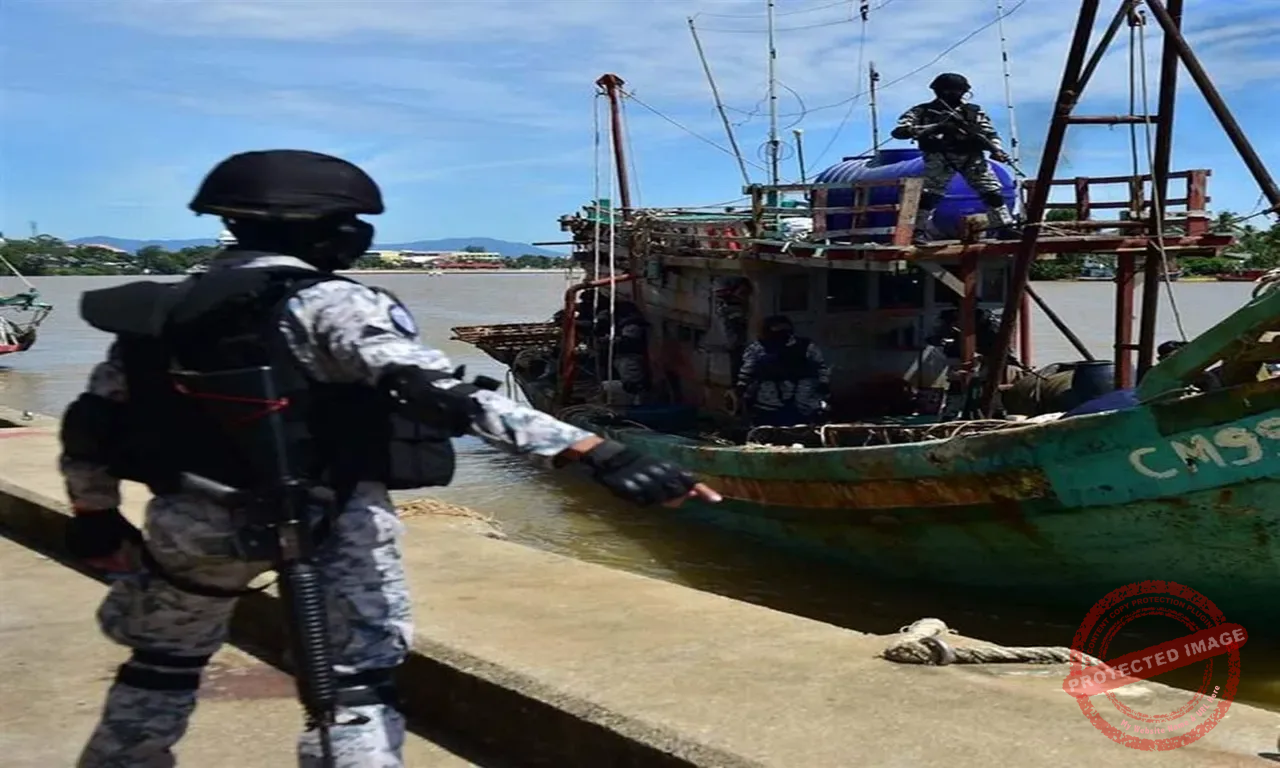
A professional fishing rights attorney reviews permits, marine maps, financial losses, communication records, and government regulations carefully. Attorneys may also investigate unfair restrictions or denied licenses affecting fishing operations. Think of investigations like solving a complicated puzzle where every missing detail matters. Overlooked records or ignored agreements often reveal strong legal opportunities protecting fishing rights.
Fishing Rights Settlements Explained
Many fishing disputes settle through negotiations instead of lengthy courtroom proceedings. A fishing rights attorney negotiates outcomes involving permit restoration, financial damages, or regulatory changes. Settlement decisions often depend on evidence quality and financial harm. Someone unfairly losing commercial access may deserve stronger legal action. Skilled legal negotiation often protects businesses from unnecessary long term losses.
Can You Fight Fishing Restrictions Successfully?
Yes, individuals or businesses may challenge unfair fishing restrictions when evidence shows policy mistakes or legal violations. A fishing rights attorney reviews whether government actions followed proper legal standards. Authorities sometimes make unfair decisions, but strong legal defense matters greatly. Legal action often becomes necessary when restrictions threaten business survival or traditional fishing access.
Understanding Commercial Fishing Disputes
Commercial fishing disputes often happen because of quota limits, permit denials, market regulations, or marine territory conflicts. A fishing rights attorney helps clients understand legal protections affecting fishing operations. Imagine commercial fishers suddenly losing income because of legal confusion unexpectedly. Understanding business related disputes often improves preparation and reduces financial risks during fishing conflicts.
Fishing Rights Attorney Fees and Costs
Many fishing rights attorney services work through hourly fees, legal retainers, or customized agreements depending on dispute complexity. Before hiring legal help, clients should understand costs clearly. Fishing businesses already facing financial pressure often worry about legal expenses. Transparent guidance often helps people feel more confident while deciding whether legal action becomes necessary.
Understanding Financial and Business Losses
Fishing disputes sometimes create serious financial pressure involving lost permits, reduced income, business interruptions, or equipment costs. A fishing rights attorney helps clients calculate damages while protecting long term financial interests. For example, commercial fishing bans may severely impact families depending on marine income. Financial recovery deserves serious attention during difficult legal disputes.
How Long Fishing Rights Cases Take
Fishing rights disputes vary depending on legal complexity, evidence, government involvement, and negotiation opportunities. A fishing rights attorney helps clients understand realistic timelines and avoid rushed decisions. Some conflicts resolve quickly while others require extended legal proceedings. Patience often matters because weak preparation may reduce legal protection during important disputes affecting livelihoods.
Mistakes That Can Hurt Fishing Rights Cases
Many clients accidentally weaken legal cases by ignoring notices, delaying action, losing documents, or trusting verbal promises too quickly. A fishing rights attorney often warns against making legal decisions without professional advice. Imagine losing access to important waters because deadlines were missed unexpectedly. Avoiding common mistakes often strengthens legal protection and improves outcomes during fishing disputes.
How Authorities Handle Fishing Rights Complaints
Government agencies sometimes respond fairly to fishing disputes, while other cases involve delayed decisions or unclear regulations. A fishing rights attorney helps clients understand whether authorities followed proper legal procedures. Imagine fishers losing access to important waters without clear explanations. Understanding agency responsibilities often helps people recognize when stronger legal action becomes necessary after unfair treatment or denied permits.
When Fishing Rights Cases Go to Court
Some fishing disputes settle through negotiations, while others require courtroom action when regulations or denied permits create major financial harm. A fishing rights attorney prepares permits, marine records, witness testimony, and legal arguments before trial proceedings begin. Think of court as a final opportunity to challenge unfair restrictions after negotiations fail. Strong preparation often improves legal outcomes significantly.
The Role of Witness Statements in Fishing Cases
Witness testimony often strengthens fishing rights claims considerably. A fishing rights attorney interviews local fishers, marine experts, business owners, or community members who observed unfair restrictions directly. Imagine several experienced fishers confirming traditional access rights unexpectedly disappeared. Reliable witness statements often improve legal opportunities and strengthen accountability during settlement discussions or courtroom proceedings involving fishing disputes.
Can Families Support Fishing Rights Cases?
Family members often provide emotional support and important financial evidence during fishing disputes. A fishing rights attorney may use family observations to explain income loss, emotional stress, or business struggles affecting households. Imagine loved ones suddenly facing financial uncertainty because fishing access disappeared unexpectedly. Family involvement often becomes emotionally important during difficult legal situations involving fishing rights.
Understanding Tribal and Indigenous Fishing Rights
Tribal and indigenous communities often receive unique legal protections involving historical fishing access and treaty agreements. A fishing rights attorney helps communities understand whether governments respected legal obligations properly. For example, traditional fishing rights sometimes face unfair restrictions despite historical agreements. Understanding these protections often strengthens legal claims and improves opportunities for fair treatment during disputes.
How Fishing Rights Settlements Are Calculated
Settlement outcomes often depend on financial losses, denied permits, reduced fishing access, and business harm. A fishing rights attorney reviews damages carefully before recommending agreements. Someone losing commercial income because of unfair restrictions may deserve stronger legal recovery. Accurate evaluations often help clients avoid weak settlements and improve protection during fishing related legal disputes.
Why Timing Matters in Fishing Rights Cases
Timing matters greatly during fishing disputes because delays may weaken evidence or reduce legal options. A fishing rights attorney helps clients preserve permits, financial records, and communication before details disappear. Waiting too long may increase financial harm or reduce legal protection. Fast legal action often improves outcomes and strengthens defense against unfair restrictions or denied access.
Fishing Rights Attorney vs General Maritime Lawyer
Not every maritime lawyer understands fishing laws, licensing disputes, or environmental restrictions properly. A fishing rights attorney specializes in permit conflicts, fishing regulations, marine territory disputes, and fishing business protection. Hiring someone with fishing law experience often improves legal outcomes significantly. Similar to choosing a specialist doctor, legal specialization matters greatly during serious fishing disputes.
How Environmental Laws Affect Fishing Rights
Environmental regulations sometimes affect fishing operations through quotas, conservation zones, or protected marine areas. A fishing rights attorney investigates whether environmental rules were enforced fairly and legally. Think about fishing businesses suddenly losing access because of unexpected conservation restrictions. Understanding environmental law often helps clients protect livelihoods while maintaining legal compliance during fishing disputes.
Emotional Stress During Fishing Rights Disputes
Fishing conflicts often create anxiety, financial worry, frustration, and uncertainty for families relying on marine income. A fishing rights attorney helps clients understand legal options while reducing confusion during stressful situations. Imagine generations of fishing traditions suddenly threatened by legal restrictions. Strong legal guidance often brings clarity, confidence, and better decision making during difficult disputes.
How Fishing Rights Attorneys Negotiate Outcomes
Negotiation often plays an important role in fishing rights disputes involving permits, restrictions, or commercial access. A fishing rights attorney reviews evidence, financial losses, and legal protections before discussing possible solutions. Clients should avoid accepting unfair agreements without understanding long term consequences. Skilled negotiation often improves access rights, compensation, and business protection during fishing conflicts.
What Happens During a Legal Consultation
A legal consultation helps clients understand disputes, legal risks, and possible solutions involving fishing access or permits. A fishing rights attorney reviews marine maps, licenses, financial records, and legal concerns carefully. Think of consultations like creating a roadmap during uncertainty. Honest discussions often help clients understand whether stronger legal action deserves immediate attention.
Can Small Fishing Businesses File Claims?
Yes, smaller fishing businesses often qualify for legal protection depending on permits, restrictions, and financial losses involved. A fishing rights attorney reviews whether denied access or government actions justify legal claims. Imagine a family owned fishing business suddenly struggling because of unfair regulations. Understanding eligibility often helps smaller operations recognize when legal action becomes necessary.
How Governments Defend Fishing Restrictions
Government agencies often justify restrictions using environmental concerns, marine protection, conservation goals, or licensing regulations. A fishing rights attorney challenges weak policies, unfair enforcement, or unclear legal procedures affecting fishing communities. Imagine authorities limiting fishing without proper consultation unexpectedly. Strong preparation often improves legal protection and challenges unfair decisions during fishing disputes.
Long Term Effects of Fishing Rights Disputes
Fishing disputes sometimes create lasting financial, emotional, and business consequences. A fishing rights attorney considers lost income, damaged operations, emotional stress, and future opportunities when building legal strategies. Someone losing long term fishing access may face serious economic hardship. Understanding future impacts often helps clients pursue stronger legal protection and financial recovery.
Why Experience Matters in Fishing Rights Cases
Experience matters greatly when handling fishing disputes involving permits, marine territories, environmental laws, and government restrictions. An experienced fishing rights attorney understands fishing regulations, treaty rights, and licensing challenges. Similar to trusting an experienced captain during dangerous waters, skilled legal guidance often improves confidence and strengthens legal outcomes after serious fishing disputes threatening livelihoods or business stability.
Fishing Rights Case Success Stories
Many fishers and marine businesses successfully protect access rights after challenging unfair regulations or denied permits. A fishing rights attorney often helps clients recover financial damages, restore permits, or challenge unfair restrictions successfully. For example, local fishing communities have protected historical rights through strong legal action. Real success stories often encourage people to defend rights instead of accepting unfair losses.
Common Fishing Rights Mistakes to Avoid
Simple mistakes sometimes weaken fishing rights claims significantly. Ignoring deadlines, losing permits, trusting verbal promises, or delaying legal action may reduce legal protection. A fishing rights attorney helps clients avoid mistakes affecting outcomes. Imagine losing access to important fishing waters simply because paperwork was never completed properly. Avoiding mistakes often strengthens legal claims and improves protection during disputes.
How Fishing Rights Disputes Affect Communities
Fishing disputes often affect entire communities emotionally and financially. A fishing rights attorney sometimes reviews how legal restrictions create job losses, reduced business activity, and family hardship. Imagine local markets struggling because fishing access suddenly becomes restricted unexpectedly. Community impact often becomes an important factor during legal discussions involving fishing rights or marine regulations.
Final Steps Before Filing a Fishing Rights Claim
Before filing legal claims, clients should preserve permits, financial records, marine maps, and communication documents carefully. A fishing rights attorney helps organize evidence and build strong legal strategies. Think of preparation like securing a fishing boat before rough weather arrives. Good planning often strengthens legal protection and improves outcomes during important fishing rights disputes.
Future Legal Changes in Fishing Rights Laws
Fishing laws continue evolving as environmental concerns, marine conservation, and government regulations change worldwide. A fishing rights attorney stays updated on legal changes affecting fishing permits, tribal protections, marine boundaries, and commercial operations. For example, stricter conservation laws may impact traditional fishing access unexpectedly. Understanding future legal developments often helps fishers, businesses, and communities stay informed while protecting valuable rights and long term financial stability.
How Technology Is Helping Fishing Rights Cases
Technology increasingly helps strengthen fishing rights cases through GPS tracking, digital permits, marine maps, and electronic fishing records. A fishing rights attorney often reviews digital evidence to challenge unfair restrictions or denied licenses. Satellite tracking sometimes clearly proves historical fishing activity within approved areas. Strong electronic documentation often improves legal protection, accountability, and outcomes during fishing disputes involving permits or marine access.

Expert Advice for Protecting Your Fishing Rights
Protecting fishing rights begins immediately after disputes happen. Fishers should preserve permits, communication records, financial reports, and government notices carefully. A fishing rights attorney helps clients avoid mistakes weakening legal protection. Think of preparation like securing fishing equipment before dangerous weather arrives. Fast legal action often strengthens claims, protects livelihoods, and improves outcomes after serious fishing related disputes or restrictions.
Mistakes Fishers Should Avoid During Fishing Rights Cases
Many fishers accidentally weaken cases by missing deadlines, losing permits, ignoring legal notices, or trusting verbal promises too quickly. A fishing rights attorney often warns against delaying action after permit disputes or government restrictions. For example, missed paperwork may seriously reduce legal protection later. Avoiding simple mistakes often strengthens claims and improves justice outcomes during difficult fishing disputes.
Why Legal Support Matters in Fishing Rights Disputes
Fishing disputes often create emotional stress, financial uncertainty, and fear about the future. A fishing rights attorney provides legal guidance, negotiation support, and strong advocacy during difficult situations. Fishers and businesses frequently feel powerless against government agencies or unfair restrictions. Professional legal support often improves confidence, protects financial interests, and increases opportunities for stronger legal outcomes after fishing rights conflicts.
FAQs
What does a fishing rights attorney do?
A fishing rights attorney helps fishers, businesses, and communities resolve disputes involving permits, marine access, environmental restrictions, and fishing regulations.
When should I contact a fishing rights attorney?
You should contact a fishing rights attorney immediately after permit denials, fishing restrictions, legal notices, or government disputes affecting fishing operations.
Can fishing restrictions be challenged legally?
Yes, unfair fishing restrictions may be challenged when evidence shows legal violations, policy mistakes, or improper government enforcement.
How much does a fishing rights attorney cost?
Many fishing rights attorney services work through hourly fees, legal retainers, or customized agreements depending on dispute complexity.
What compensation can fishers recover?
Fishers may recover damages involving lost income, denied permits, business interruption, or unfair restrictions affecting fishing operations.
How long do fishing rights disputes take?
Timelines vary depending on evidence, legal complexity, negotiations, and government involvement in the case.
Do small fishing businesses qualify for legal protection?
Yes, small fishing businesses may qualify depending on permits, financial losses, and legal restrictions. Speaking with a fishing rights attorney helps determine eligibility.
Conclusion
Fishing rights disputes can quickly create emotional stress, financial pressure, and uncertainty for individuals, businesses, and communities depending on marine resources. Whether problems involve permit denials, territorial conflicts, government restrictions, or environmental regulations, understanding legal rights becomes essential for protecting long term financial security. That is why working with an experienced fishing rights attorney often makes a major difference. From protecting permits and challenging unfair restrictions to defending traditional fishing access, legal guidance helps clients move forward with confidence. If your fishing rights recently became threatened, speaking with a trusted fishing rights attorney may be the first important step toward protecting your future.