


Introduction
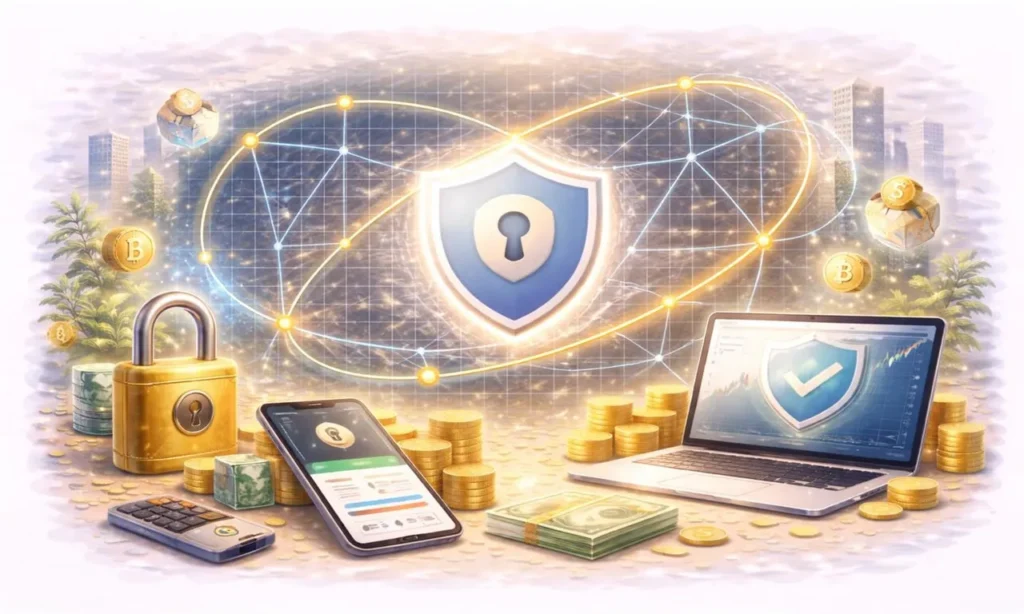
Digital asset insurance coverage protects businesses and individuals against financial losses involving cryptocurrencies, digital wallets, NFTs, blockchain assets, tokenized investments, and other valuable digital property. Could your organization recover if hackers stole your digital assets or a cyberattack compromised your blockchain infrastructure? As digital investments continue expanding, cyber threats, fraud, and operational risks make specialized insurance more important than ever. Choosing the right digital asset insurance coverage helps safeguard financial investments, improve business resilience, and reduce unexpected losses. Understanding policy benefits, coverage options, exclusions, claim procedures, insurer expertise, and cybersecurity requirements enables organizations to protect valuable digital assets while confidently participating in the rapidly evolving digital economy.
Understanding Digital Asset Insurance Coverage Benefits Clearly
Digital asset insurance coverage provides financial protection for businesses and investors holding cryptocurrencies, NFTs, blockchain assets, digital tokens, and other electronic investments. Policies commonly cover cyber theft, hacking incidents, digital wallet compromises, custody failures, and eligible asset recovery expenses. This specialized insurance reduces financial exposure while strengthening confidence in digital asset ownership. Understanding policy benefits enables businesses and investors to compare insurers carefully while selecting comprehensive protection that supports long-term financial security and responsible digital asset management.
Why Digital Asset Insurance Coverage Matters Today
The rapid growth of digital investments has increased financial opportunities while exposing businesses and investors to sophisticated cyber threats. Digital asset insurance coverage helps protect valuable digital property against hacking, theft, fraud, operational failures, and security breaches. Without specialized insurance, recovering financial losses after cyber incidents may become extremely difficult. Understanding the importance of digital asset protection encourages responsible investment planning while reducing financial uncertainty and strengthening long-term confidence in digital financial markets.
How Digital Asset Insurance Coverage Actually Works
Most digital asset insurance coverage policies become active after a covered digital asset loss occurs and the policyholder reports the incident according to policy requirements. Insurance providers investigate claims, verify ownership, evaluate financial losses, and determine eligible compensation based on policy terms. Coverage depends on selected limits, deductibles, exclusions, and security requirements. Understanding how digital asset insurance works helps policyholders compare providers effectively while securing dependable financial protection against unexpected digital asset losses.
Common Risks Facing Digital Asset Owners Daily
Businesses and investors purchase digital asset insurance coverage because digital assets remain vulnerable to cyberattacks, phishing scams, ransomware, exchange failures, wallet theft, insider fraud, private key compromise, and unauthorized transactions. These risks may result in substantial financial losses within minutes. Understanding common digital asset threats helps investors strengthen cybersecurity practices while selecting comprehensive insurance policies that minimize financial exposure and support long-term investment protection in evolving blockchain environments.
Cryptocurrency Theft Protection For Digital Investors Explained
Cryptocurrency theft remains one of the primary reasons for purchasing digital asset insurance coverage. Cybercriminals frequently target cryptocurrency wallets, exchanges, and blockchain platforms through phishing attacks, malware, hacking, and credential theft. Insurance may provide financial protection for eligible cryptocurrency losses depending on policy conditions. Understanding cryptocurrency theft protection enables investors to compare specialized insurance providers while strengthening financial security and reducing risks associated with digital currency ownership.
Digital Wallet Security Coverage Benefits Explained Clearly
Digital wallets store valuable cryptocurrencies and blockchain assets, making digital asset insurance coverage increasingly important for both businesses and private investors. Insurance policies may protect against wallet compromise, cyber theft, unauthorized access, and certain operational failures involving supported wallet technologies. Reliable coverage helps reduce financial uncertainty while encouraging responsible digital asset management practices.
- Digital wallet theft protection
- Unauthorized access coverage
- Private key compromise protection
- Wallet recovery assistance
- Cyber theft reimbursement
- Security incident response
- Financial loss protection
- Digital asset recovery support
Blockchain Technology Risks Affecting Asset Protection Today
Blockchain technology provides secure transaction records but still presents operational and cybersecurity risks requiring digital asset insurance coverage. Smart contract vulnerabilities, software flaws, validator failures, exchange security incidents, and blockchain infrastructure attacks may expose valuable digital assets to financial loss. Understanding blockchain-related risks helps businesses and investors strengthen operational security while selecting insurance policies offering dependable protection against evolving digital technology threats.
Factors Affecting Digital Insurance Premium Costs Today
Several important factors influence premiums for digital asset insurance coverage, including digital asset value, storage methods, cybersecurity controls, transaction volume, custody solutions, previous claims history, wallet security, regulatory compliance, and organizational risk management practices. Businesses implementing stronger cybersecurity measures often qualify for more competitive premiums. Understanding premium calculation factors helps policyholders compare insurers effectively while securing affordable protection for valuable digital investments.
Choosing Appropriate Digital Asset Coverage Limits Carefully
Selecting suitable limits remains one of the most important decisions when purchasing digital asset insurance coverage. Investors should evaluate cryptocurrency holdings, NFT collections, blockchain investments, digital transaction activity, custody arrangements, and potential cyber risks before determining policy amounts. Adequate insurance limits protect financial assets while reducing exposure to major digital investment losses. Understanding coverage requirements helps policyholders balance affordability with comprehensive financial protection and long-term investment security.
Cyber Theft Coverage Protecting Digital Financial Assets Successfully
Cyber theft protection forms a core component of digital asset insurance coverage by helping policyholders recover eligible losses resulting from hacking, phishing attacks, malware infections, unauthorized access, and credential theft. Insurance providers may also coordinate cybersecurity specialists during covered incidents to support recovery efforts. Understanding cyber theft protection helps investors compare policies effectively while strengthening financial resilience against increasingly sophisticated cybercriminal activities targeting valuable digital assets.
Legal Expenses Covered Following Digital Asset Disputes
Legal disputes involving digital assets may create significant financial burdens, making digital asset insurance coverage an important safeguard for businesses and investors.
- Attorney consultation fees
- Legal defense expenses
- Regulatory investigation support
- Contract dispute assistance
- Compliance advisory services
- Settlement negotiation costs
- Court representation expenses
- Eligible legal reimbursements
Custody Solutions Supporting Secure Digital Asset Storage
Professional custody services play an important role in reducing risks associated with digital asset insurance coverage. Institutional custodians provide secure storage solutions using advanced encryption, cold wallets, multi-signature authentication, and strict operational controls. Many insurers favor businesses using qualified custodians because stronger storage practices reduce overall cyber risks. Understanding custody solutions helps investors strengthen digital asset protection while improving insurance eligibility and potentially lowering premium costs.

Regulatory Compliance Requirements For Digital Asset Protection
Businesses investing in blockchain technologies should understand regulatory obligations affecting digital asset insurance coverage. Financial regulations, anti-money laundering requirements, cybersecurity standards, and digital asset reporting obligations vary between jurisdictions. Maintaining compliance reduces legal risks while improving insurer confidence during underwriting. Understanding regulatory requirements helps organizations strengthen governance practices while supporting comprehensive insurance protection for valuable digital financial assets.
Choosing Reliable Digital Asset Insurance Providers Carefully
Selecting dependable providers for digital asset insurance coverage requires comparing financial strength, blockchain expertise, cybersecurity knowledge, claims handling performance, digital asset custody experience, customer satisfaction, and policy flexibility. Experienced insurers understand the unique risks associated with cryptocurrencies and blockchain technologies. Understanding insurer quality helps businesses and investors purchase reliable insurance while strengthening long-term financial protection and confidence within rapidly evolving digital asset markets.
Avoiding Common Digital Asset Insurance Buying Mistakes
Many investors purchasing digital asset insurance coverage focus only on premium costs while overlooking policy exclusions, custody requirements, cybersecurity obligations, coverage limits, deductible amounts, and insurer expertise.
- Comparing only premium prices
- Ignoring policy exclusions
- Selecting insufficient coverage limits
- Overlooking custody requirements
- Ignoring cybersecurity standards
- Failing to compare insurers
- Skipping annual policy reviews
- Not verifying claim procedures
NFT Asset Protection For Digital Collectors Successfully
Non-fungible tokens continue gaining popularity, making digital asset insurance coverage increasingly valuable for collectors, investors, and creators. NFT collections may face risks including cyber theft, unauthorized transfers, phishing attacks, smart contract exploits, and marketplace security failures. Insurance helps reduce financial uncertainty by protecting eligible NFT investments according to policy terms. Understanding NFT protection enables collectors to compare insurance providers while safeguarding valuable digital artwork, collectibles, gaming assets, and blockchain-based intellectual property against evolving cyber threats.
Exchange Failure Risks Affecting Digital Asset Investments
Cryptocurrency exchanges remain essential for digital asset transactions, yet operational failures and cyberattacks create significant risks. Digital asset insurance coverage may provide protection when eligible losses result from covered exchange-related incidents depending on policy terms. Businesses and investors should carefully evaluate exchange security practices before storing valuable assets. Understanding exchange risks helps policyholders strengthen investment strategies while selecting insurance solutions supporting long-term financial security within rapidly evolving cryptocurrency markets.
Private Key Protection Supporting Digital Asset Security
Private keys control access to cryptocurrencies and blockchain assets, making them one of the most valuable components of digital asset insurance coverage planning. Losing or exposing private keys may result in irreversible financial losses. Strong security practices, encrypted storage, multi-signature authentication, and secure backup procedures significantly reduce risks. Understanding private key protection helps investors improve cybersecurity while increasing insurance eligibility and protecting valuable blockchain investments from unauthorized access.
Smart Contract Risks Facing Blockchain Businesses Today
Businesses using blockchain technology frequently depend on smart contracts that automatically execute digital agreements. Digital asset insurance coverage helps reduce financial exposure associated with eligible smart contract vulnerabilities, programming errors, security flaws, or unauthorized exploitation. Careful contract testing and security audits strengthen blockchain reliability while reducing operational risks. Understanding smart contract liabilities enables organizations to compare insurance providers while protecting valuable blockchain operations against emerging technology-related challenges.
Cold Storage Solutions Improving Digital Asset Protection
Cold storage significantly enhances security for organizations purchasing digital asset insurance coverage because offline wallets reduce exposure to hacking attempts and unauthorized online access. Many insurers recognize cold storage as an important cybersecurity control when evaluating insurance applications. Investors using hardware wallets and offline storage generally strengthen asset protection while reducing cyber risks. Understanding cold storage strategies supports responsible digital asset management and long-term financial security.
Institutional Investors Requiring Specialized Insurance Protection
Institutional investors managing large cryptocurrency portfolios often require comprehensive digital asset insurance coverage to protect significant blockchain investments. Insurance may help safeguard institutional holdings against cyber theft, custody failures, operational disruptions, regulatory investigations, and digital asset recovery expenses. Strong coverage improves investor confidence while supporting responsible financial management. Understanding institutional insurance needs enables organizations to compare specialized providers while strengthening long-term investment protection.
Business Continuity Planning For Digital Asset Protection
Organizations investing in blockchain technology should integrate digital asset insurance coverage into broader business continuity strategies. Cyber incidents involving cryptocurrencies or digital assets may interrupt operations, damage customer confidence, and create financial uncertainty. Insurance supports recovery while proactive planning minimizes operational disruption.
- Create secure backup procedures
- Develop cyber incident response plans
- Monitor digital asset activity
- Protect private keys securely
- Train employees regularly
- Test disaster recovery systems
- Review security policies annually
- Maintain regulatory compliance
Comparing Insurance Deductible Options Before Purchasing Coverage
Selecting appropriate deductibles remains an important decision when purchasing digital asset insurance coverage. Higher deductibles generally reduce annual premium costs but increase financial responsibility following covered digital asset losses. Lower deductibles provide quicker financial reimbursement while increasing insurance premiums. Choosing the right deductible depends on investment value, financial reserves, and risk tolerance.
| Deductible Option | Advantages | Disadvantages |
|---|---|---|
| Low Deductible | Lower out-of-pocket claim costs | Higher annual premiums |
| High Deductible | Lower insurance premiums | Higher financial responsibility |
Cybersecurity Assessments Improving Insurance Eligibility Opportunities
Regular cybersecurity assessments strengthen digital asset insurance coverage applications by identifying vulnerabilities before cybercriminals exploit them. Businesses demonstrating proactive security practices often receive improved underwriting decisions and more competitive insurance pricing.
- Review wallet security
- Test network vulnerabilities
- Update encryption methods
- Evaluate access controls
- Monitor suspicious activities
- Conduct penetration testing
- Audit blockchain infrastructure
- Improve employee awareness
Incident Response Planning Supporting Digital Asset Recovery
Effective incident response planning maximizes the value of digital asset insurance coverage by helping organizations react quickly after hacking incidents, wallet compromises, ransomware attacks, or blockchain security failures. Organized response procedures minimize financial losses while improving communication with insurers, legal advisors, cybersecurity experts, and regulatory authorities. Understanding incident response planning strengthens operational resilience while accelerating recovery following covered digital asset incidents.
Technology Advancing Modern Digital Asset Insurance Services
Technology continues improving digital asset insurance coverage through artificial intelligence underwriting, blockchain analytics, automated claims processing, digital wallet monitoring, secure customer portals, and predictive cyber risk assessments. These innovations simplify insurance administration while improving fraud detection and claims efficiency. Understanding technological advancements enables investors and businesses to compare providers effectively while securing dependable insurance tailored to evolving blockchain ecosystems and digital investment environments.
Future Trends Transforming Digital Asset Insurance Markets
The future of digital asset insurance coverage continues evolving through decentralized finance, blockchain automation, predictive analytics, artificial intelligence, tokenized asset protection, and advanced cybersecurity integrations. Insurance providers increasingly develop customized solutions reflecting the rapidly changing digital investment landscape. Understanding future market trends helps organizations prepare for stronger financial protection while adapting to emerging blockchain technologies and expanding digital asset investment opportunities.
Choosing Financially Strong Digital Insurance Companies Carefully
Selecting financially stable insurers remains essential when purchasing digital asset insurance coverage. Investors should evaluate financial ratings, blockchain expertise, claims performance, cybersecurity knowledge, customer satisfaction, underwriting flexibility, and custody experience before selecting coverage. Reliable insurers consistently honor eligible claims while providing experienced support during complex digital asset incidents. Understanding insurer quality strengthens purchasing decisions while ensuring dependable long-term financial protection.
Managing Digital Investment Risks Through Insurance Planning
Successful digital investment strategies combine digital asset insurance coverage with strong cybersecurity controls, secure custody solutions, private key management, regulatory compliance, and routine security assessments. Insurance complements preventive measures rather than replacing responsible asset management. Understanding integrated investment planning helps businesses and investors reduce financial uncertainty while strengthening long-term blockchain investment security and operational resilience.
Avoiding Common Digital Insurance Coverage Selection Mistakes
Many investors purchasing digital asset insurance coverage overlook critical policy details that directly influence future financial protection.
- Ignoring custody requirements
- Comparing only premium prices
- Choosing inadequate coverage limits
- Overlooking deductible amounts
- Ignoring cybersecurity obligations
- Failing to compare insurers
- Skipping annual policy reviews
- Not reviewing policy exclusions
Preparing Financial Documents Before Insurance Applications Carefully
Businesses and investors applying for digital asset insurance coverage should organize digital asset inventories, custody documentation, wallet security records, compliance reports, transaction histories, cybersecurity policies, and previous insurance information before requesting quotes. Complete documentation improves underwriting accuracy while supporting faster approvals and competitive premium opportunities. Understanding application requirements helps policyholders streamline the insurance process while demonstrating responsible digital asset management.
Building Long-Term Financial Security Through Digital Protection
Reliable digital asset insurance coverage strengthens long-term financial stability by protecting cryptocurrencies, NFTs, blockchain investments, tokenized assets, and digital wallets against covered cyber risks and operational losses. Insurance supports responsible investment strategies while preserving valuable digital assets. Understanding comprehensive digital asset planning encourages investors and businesses to combine insurance with proactive cybersecurity practices for stronger financial resilience and sustainable long-term investment success.
Comparing Digital Insurance Providers Before Final Decisions
Comparing multiple digital asset insurance coverage providers helps investors identify stronger policy benefits, better cybersecurity expertise, competitive premiums, and dependable claims support.
| Comparison Factor | Evaluation Criteria |
|---|---|
| Financial Strength | Claims-paying ability |
| Blockchain Expertise | Industry experience |
| Coverage Limits | Policy protection |
| Claims Support | Response quality |
| Premium Costs | Annual pricing |
| Customer Service | Overall reliability |
Reviewing Insurance Policies After Investment Growth Regularly
Digital investments frequently increase in value, making regular reviews of digital asset insurance coverage essential. Policyholders should update coverage whenever cryptocurrency holdings, NFT collections, blockchain assets, or custody arrangements change significantly. Periodic reviews help eliminate coverage gaps while ensuring insurance reflects current investment values. Understanding the importance of policy updates strengthens long-term financial protection and supports responsible digital asset portfolio management.
Choosing Digital Asset Insurance Coverage With Confidence Always
Selecting the right digital asset insurance coverage requires comparing coverage limits, custody requirements, cybersecurity protections, deductibles, blockchain expertise, financial strength, claims performance, and customer support before purchasing a policy. Investors who evaluate multiple insurance providers generally secure stronger financial protection while controlling long-term insurance costs. Careful comparison shopping safeguards valuable digital assets, strengthens investment confidence, reduces financial uncertainty, and supports sustainable participation within the expanding digital economy.
Understanding Policy Exclusions Before Purchasing Coverage Carefully
Every digital asset insurance coverage policy contains exclusions defining situations where insurance benefits may not apply. Common exclusions include intentional fraud, criminal activities, unsecured private keys, unauthorized transactions caused by negligence, unsupported digital assets, and pre-existing security incidents. Reviewing policy exclusions carefully helps investors avoid unexpected claim denials while understanding their responsibilities. Comparing policy limitations before purchasing insurance enables businesses and individuals to select comprehensive protection that aligns with their digital investment strategies and long-term financial objectives.
Comparing Personal And Business Digital Asset Insurance Solutions
Individuals and businesses have different insurance requirements, making digital asset insurance coverage available in specialized policy options. Personal policies often protect cryptocurrency portfolios, NFTs, and digital wallets, while business policies provide broader protection for exchanges, blockchain companies, fintech organizations, and institutional investors. Comparing personal and commercial insurance solutions helps policyholders identify suitable protection while balancing coverage, affordability, and financial security according to specific digital asset management needs.
Managing Investment Risks Through Strong Cybersecurity Practices
Successful digital asset insurance coverage works best when combined with proactive cybersecurity measures that reduce digital investment risks.
- Enable multi-factor authentication
- Use secure cold storage wallets
- Create encrypted data backups
- Update wallet software regularly
- Protect private keys safely
- Avoid phishing websites
- Monitor account activity daily
- Perform routine cybersecurity audits
Benefits Of Annual Digital Insurance Policy Reviews
Annual reviews help ensure digital asset insurance coverage remains aligned with changing cryptocurrency values, NFT collections, blockchain investments, custody arrangements, and cybersecurity practices. Digital asset markets evolve rapidly, making outdated coverage potentially insufficient after significant portfolio growth. Reviewing policies regularly allows investors to adjust coverage limits, compare insurers, and strengthen financial protection. Understanding the value of annual reviews supports responsible investment management while reducing future insurance gaps.
Reviewing Coverage Before Large Digital Investments Carefully
Before purchasing additional cryptocurrencies, blockchain assets, NFTs, or tokenized investments, policyholders should review their digital asset insurance coverage. Larger investment portfolios often require increased policy limits or updated custody arrangements to maintain adequate protection. Reviewing insurance before expanding investments helps eliminate coverage gaps while protecting valuable financial assets. Understanding investment-related insurance requirements strengthens long-term financial planning and responsible digital asset management.
Technology Improving Digital Insurance Claims Processing Services
Modern digital asset insurance coverage providers increasingly use blockchain analytics, artificial intelligence, automated fraud detection, digital claims management, and secure customer portals to improve policyholder experiences. These technologies accelerate claim investigations, simplify documentation, improve communication, and reduce fraud risks during insurance claims. Understanding technological innovations helps investors compare insurers effectively while selecting providers offering dependable claims support and advanced digital insurance services.

Future Innovations Strengthening Digital Asset Protection Solutions
The future of digital asset insurance coverage continues advancing through decentralized finance integration, blockchain verification, artificial intelligence underwriting, predictive cyber analytics, automated compliance monitoring, and personalized insurance solutions. These innovations improve underwriting accuracy while expanding protection opportunities for cryptocurrency investors and blockchain businesses. Understanding future insurance developments helps organizations prepare for stronger financial protection while adapting to evolving digital investment environments and emerging technologies.
Building Financial Security Through Insurance Planning Strategies
Reliable digital asset insurance coverage supports long-term financial security by protecting cryptocurrencies, NFTs, blockchain assets, digital wallets, and tokenized investments against covered cyber risks and operational losses. Insurance complements responsible cybersecurity, secure custody solutions, and disciplined investment management practices. Understanding comprehensive financial planning encourages investors to reduce risk exposure while preserving valuable digital assets and strengthening long-term investment confidence within rapidly evolving digital markets.
Avoiding Common Digital Insurance Buying Mistakes Successfully
Many investors purchase digital asset insurance coverage without carefully reviewing critical policy details that directly affect financial protection.
- Comparing only premium prices
- Ignoring policy exclusions
- Selecting low coverage limits
- Overlooking custody requirements
- Ignoring deductible amounts
- Failing to compare insurers
- Skipping annual policy reviews
- Not reviewing cybersecurity obligations
Choosing Digital Asset Insurance Coverage With Confidence Always
Selecting the right digital asset insurance coverage requires comparing policy limits, custody requirements, cybersecurity standards, deductibles, insurer expertise, financial strength, claims performance, and customer support before purchasing protection. Investors who evaluate multiple insurance providers generally obtain stronger financial security while controlling long-term insurance expenses. Careful comparison shopping protects valuable digital investments, reduces financial uncertainty, strengthens portfolio resilience, and supports confident participation in the expanding cryptocurrency and blockchain economy.
FAQs
What is digital asset insurance coverage?
- Digital asset insurance coverage protects cryptocurrencies, NFTs, blockchain assets, and digital wallets against eligible financial losses.
Who needs digital asset insurance coverage?
- Cryptocurrency investors, NFT collectors, blockchain companies, fintech businesses, and institutional investors should consider this protection.
Does digital asset insurance cover hacking losses?
- Many policies cover eligible hacking and cyber theft losses, depending on policy terms, exclusions, and security requirements.
What digital assets can be insured?
- Coverage may include cryptocurrencies, NFTs, digital wallets, blockchain assets, tokenized investments, and other approved digital property.
How can investors lower insurance premiums?
- Using cold storage, enabling multi-factor authentication, improving cybersecurity, and following insurer security requirements may reduce premiums.
Are private keys covered under insurance?
- Coverage depends on policy terms, custody arrangements, and whether required security procedures were followed.
Why should investors compare multiple insurers?
- Comparing providers helps secure stronger coverage, better claims support, competitive premiums, and improved long-term financial protection.
Conclusion
Digital asset insurance coverage provides valuable financial protection for cryptocurrency investors, blockchain businesses, NFT collectors, and organizations managing digital financial assets. As cyber threats, hacking incidents, and operational risks continue increasing, combining comprehensive insurance with strong cybersecurity practices, secure custody solutions, and responsible investment management becomes essential. Comparing policy limits, custody requirements, deductibles, insurer expertise, and coverage options helps investors choose protection that matches their financial goals. Investing in dependable digital asset insurance reduces financial uncertainty, safeguards valuable blockchain investments, strengthens portfolio resilience, and provides lasting confidence within today’s rapidly expanding digital economy.