
Introduction
Prison rights attorney services become extremely important when inmates face abuse, denied medical care, unsafe living conditions, or unfair treatment behind bars. Have you or a loved one experienced prison mistreatment, ignored legal rights, or dangerous conditions while incarcerated? Many inmates and families feel powerless because prison systems can seem confusing, intimidating, and difficult to challenge. Unfortunately, violations involving healthcare neglect, excessive force, discrimination, or denied constitutional rights happen more often than many realize. An experienced prison rights attorney helps inmates and families understand legal protections, challenge unlawful treatment, and seek justice. Taking legal action early often strengthens claims, protects evidence, and improves safety and accountability.
What Is a Prison Rights Attorney?
A prison rights attorney is a legal professional who protects incarcerated individuals facing abuse, neglect, discrimination, or constitutional rights violations. These attorneys understand inmate protections, prison law, civil rights claims, and correctional facility misconduct. For example, if prison officials deny medical treatment after serious illness, legal action may become necessary. A lawyer helps inmates and families understand rights while seeking accountability and justice.
Why Prison Rights Cases Are Different
Prison rights cases differ from ordinary legal disputes because inmates still maintain constitutional protections despite incarceration. A prison rights attorney understands how prison laws, inmate rights, and correctional procedures work. Imagine facing unsafe living conditions without anyone listening to complaints. Unlike standard legal matters, prison rights violations often involve vulnerable individuals with limited ability to protect themselves or report abuse effectively.
Common Prison Rights Violations
Prison rights violations often include denied medical care, unsafe conditions, physical abuse, excessive force, discrimination, or denied religious accommodations. A prison rights attorney investigates whether correctional staff ignored legal protections or acted unlawfully. For example, refusing medical attention for serious injuries may violate constitutional standards. Recognizing common violations helps inmates and families understand when legal support becomes necessary.
Signs You Need a Prison Rights Attorney
If inmates face repeated abuse, denied healthcare, unsafe housing, retaliation, or ignored grievances, contacting a prison rights attorney becomes important. Warning signs often include worsening health, unexplained injuries, isolation, or denied legal communication. Families sometimes feel helpless because prison systems appear difficult to challenge. Seeking legal guidance early often strengthens protection and improves opportunities for justice and accountability.
Understanding Prisoners Constitutional Rights
Even incarcerated individuals maintain constitutional protections involving healthcare, religious freedom, safety, and humane treatment. A prison rights attorney explains rights involving cruel punishment, equal treatment, and legal access. For example, prison officials generally cannot ignore serious medical conditions intentionally. Understanding inmate protections often helps families and prisoners recognize when treatment crosses legal boundaries and requires immediate action.
Who Qualifies for Prison Rights Legal Protection?
Legal protections apply to inmates facing unlawful treatment, abuse, medical neglect, unsafe conditions, or constitutional rights violations. A prison rights attorney reviews each case carefully to determine whether prison staff acted unlawfully. Imagine someone denied basic healthcare despite severe illness. Understanding eligibility often helps inmates and families recognize when legal action becomes necessary to improve safety and accountability.
Most Common Prison Abuse Cases
Many prison rights cases involve physical abuse, sexual misconduct, denied healthcare, overcrowding, discrimination, or excessive force by staff. A prison rights attorney investigates whether correctional facilities failed to protect inmate safety properly. For example, ignoring repeated threats from violent inmates may violate legal protections. Understanding common abuse cases often helps families recognize serious warning signs earlier.
How Medical Neglect Violates Prison Rights
Medical neglect becomes unlawful when prisons intentionally ignore serious health concerns or deny necessary treatment. A prison rights attorney investigates whether delays or refusals caused avoidable suffering. Think about suffering severe pain while prison staff ignore repeated requests for medical attention. Legal action often becomes necessary when healthcare neglect creates long term physical harm or emotional suffering.
What To Do After Prison Rights Violations
After violations occur, inmates or families should document incidents, preserve communication, collect medical records, and file complaints when possible. A prison rights attorney often recommends gathering written evidence carefully. Many families accidentally weaken claims by delaying legal action or ignoring important records. Fast responses often strengthen evidence and improve accountability after serious prison misconduct or abuse.
How Evidence Strengthens Prison Rights Claims
Evidence often determines whether prison rights claims succeed or fail. Medical reports, witness testimony, grievance forms, photographs, and communication records strengthen legal arguments significantly. A prison rights attorney reviews documentation carefully to prove mistreatment occurred. For example, repeated unanswered complaints about medical issues may strongly support claims. Strong evidence often improves settlements and accountability outcomes considerably.
Choosing the Right Prison Rights Attorney
Choosing the right prison rights attorney greatly affects legal outcomes and emotional confidence during difficult situations. Not every attorney understands correctional law or inmate protections properly. Look for legal professionals with proven experience handling prison abuse, medical neglect, and inmate rights claims. Similar to trusting a specialist doctor during serious illness, experienced legal support often improves results significantly.
Questions To Ask Before Hiring an Attorney
Before hiring legal representation, families should ask about prison law experience, fees, communication style, and past results. A trusted prison rights attorney explains risks honestly and avoids unrealistic promises. Asking about similar prison abuse or medical neglect cases often reveals valuable expertise. Strong communication matters because inmate related legal claims often feel emotionally overwhelming and urgent.
How Prison Rights Attorneys Investigate Cases
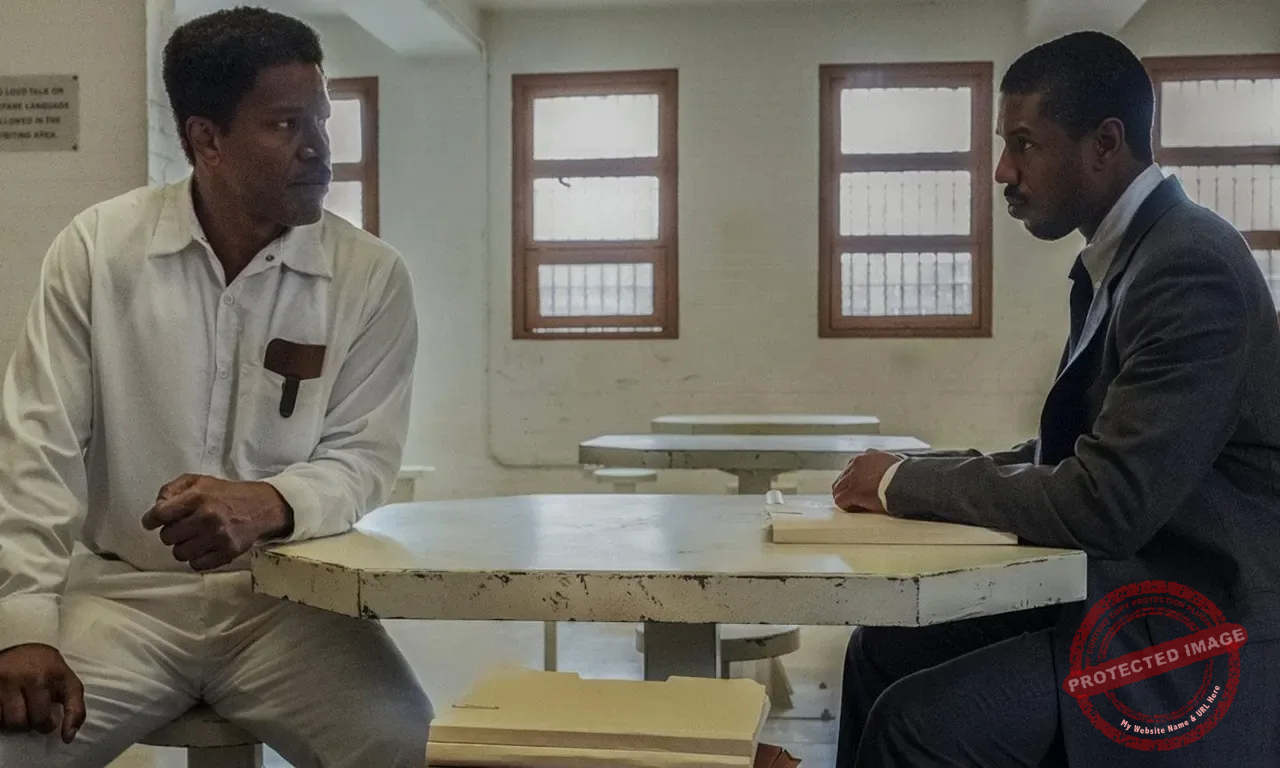
A professional prison rights attorney reviews prison records, grievance reports, witness testimony, medical documents, and facility policies to build strong claims. Attorneys may also investigate whether prison officials ignored safety concerns. Think of investigations like connecting missing puzzle pieces. Ignored complaints or repeated misconduct often reveal strong legal evidence supporting compensation or institutional accountability.
Prison Rights Settlements Explained
Many prison rights claims settle through negotiation instead of lengthy court proceedings. A prison rights attorney negotiates compensation involving emotional suffering, medical harm, abuse, and legal damages. Settlement amounts often depend on evidence and injury severity. Someone permanently harmed because of prison negligence may deserve stronger financial recovery. Skilled legal negotiation often prevents weak settlement offers.
Can You Sue for Prison Abuse?
Yes, inmates and families may sue correctional facilities or officials when treatment violates constitutional protections. A prison rights attorney reviews whether abuse, neglect, or unsafe conditions crossed legal boundaries. Prison systems sometimes deny wrongdoing, but accountability still matters. Legal action often becomes necessary when inmate safety, health, or dignity suffers because of preventable misconduct.
Prison Rights Attorney Fees and Costs
Many prison rights attorney services operate through contingency fees or hourly arrangements depending on case details. Before hiring legal help, families should understand costs clearly. Loved ones already facing emotional stress often worry about financial pressure. Transparent legal guidance helps families feel more confident when deciding whether to pursue justice after inmate mistreatment or prison negligence.
Understanding Emotional Distress Compensation
Victims of prison abuse sometimes recover compensation involving emotional suffering, anxiety, trauma, or psychological harm. A prison rights attorney calculates damages according to how deeply mistreatment affected health and well being. For example, long term abuse or isolation may justify stronger compensation. Emotional recovery deserves serious legal attention alongside physical harm caused by unlawful prison treatment.
How Long Prison Rights Cases Take
Prison rights claims vary depending on evidence, legal complexity, prison cooperation, and negotiations. A prison rights attorney helps families understand realistic timelines and avoid rushing into poor settlements. Some cases resolve quickly while others require lengthy court action. Patience often matters because accepting weak settlements too early may reduce accountability and compensation opportunities later.
Mistakes That Can Hurt a Prison Rights Claim
Many families accidentally weaken claims by delaying complaints, ignoring documentation, or failing to preserve medical records. A prison rights attorney often advises against waiting too long before seeking legal guidance. Imagine losing proof of repeated prison neglect simply because records disappeared. Avoiding common mistakes often strengthens legal claims and improves accountability after inmate mistreatment.
How Documentation Affects Prison Rights Cases
Documentation plays a major role in claim success. A prison rights attorney uses medical reports, grievance records, witness statements, and written communication to prove violations occurred. Missing records may weaken compensation opportunities significantly. Families who carefully preserve evidence often build stronger legal cases and improve opportunities for justice after prison abuse or neglect experiences.
How Prison Officials Handle Rights Complaints
Some correctional facilities investigate complaints seriously, while others ignore inmate grievances or delay responses unfairly. A prison rights attorney helps inmates and families understand whether prison officials followed legal responsibilities properly. Imagine repeatedly reporting unsafe conditions without receiving protection or medical support. Understanding how facilities respond often helps families recognize when stronger legal action becomes necessary after ignored complaints or repeated mistreatment.
When Prison Rights Cases Go to Court
Some prison rights claims settle through negotiations, while others require courtroom action when correctional facilities deny wrongdoing. A prison rights attorney prepares evidence, medical documentation, witness testimony, and legal arguments before trial proceedings begin. Think of court as a final opportunity to challenge injustice after failed negotiations. Strong preparation often improves legal outcomes and increases accountability for prison misconduct or neglect.
The Role of Witness Statements in Prison Rights Cases
Witness testimony often strengthens prison rights claims significantly. A prison rights attorney interviews inmates, medical staff, visitors, or prison employees who observed mistreatment directly. Imagine multiple inmates confirming repeated abuse or ignored medical emergencies. Reliable witness statements often improve compensation opportunities and strengthen accountability during settlement discussions or courtroom proceedings involving prison misconduct or negligence claims.
Can Families Support Prison Rights Claims?
Family members often provide valuable emotional support and important evidence after prison rights violations occur. A prison rights attorney may use family observations to explain emotional suffering, health decline, or communication issues caused by prison abuse. Imagine loved ones noticing worsening medical conditions during visits while prison staff ignore concerns. Family involvement often becomes emotionally important during difficult legal battles involving inmate safety.
Understanding Wrongful Solitary Confinement Claims
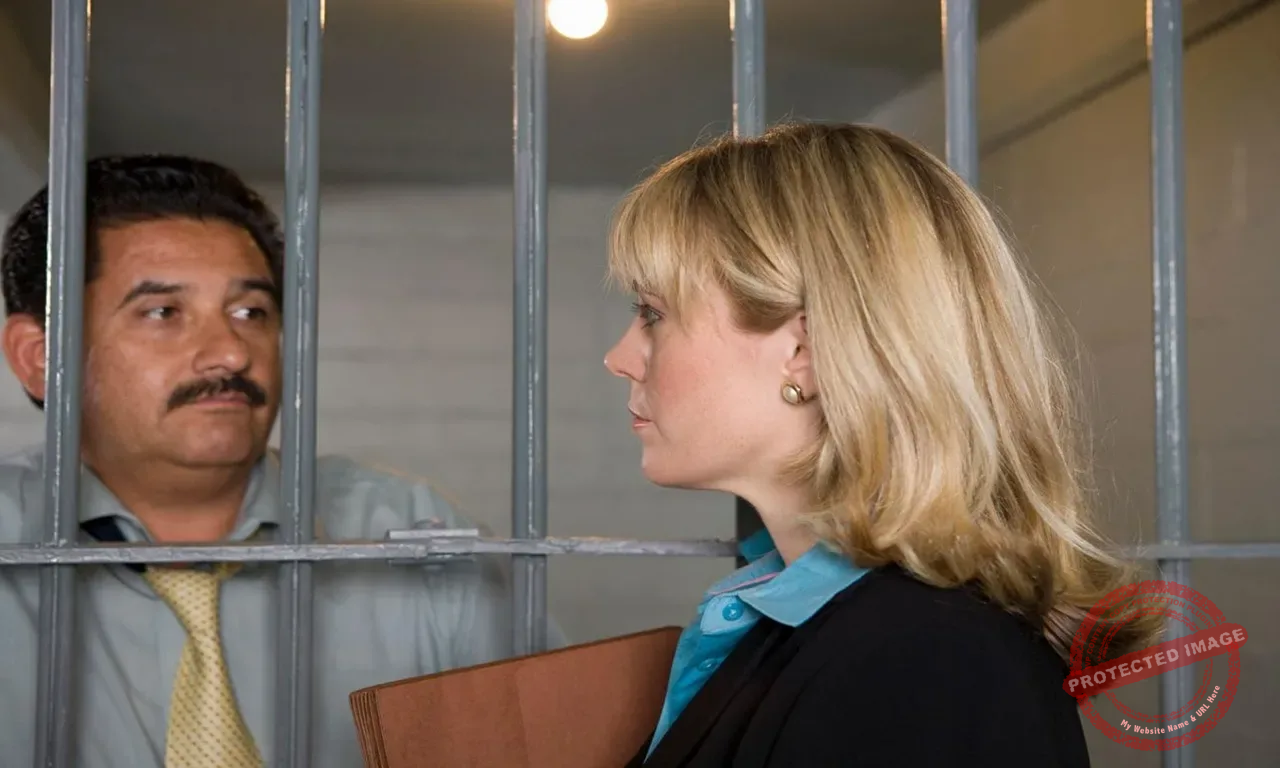
Wrongful solitary confinement may violate inmate protections when isolation becomes excessive, abusive, or medically dangerous. A prison rights attorney investigates whether prison officials used isolation unlawfully or ignored mental health concerns. For example, extended isolation without valid justification may create severe emotional harm. Understanding solitary confinement rights often helps families recognize when prison practices become legally questionable and harmful.
How Prison Rights Settlements Are Calculated
Settlement amounts often depend on emotional distress, physical injuries, medical neglect, abuse severity, and available evidence. A prison rights attorney carefully reviews damages before negotiating compensation. Someone permanently harmed because of denied medical treatment may deserve stronger financial recovery. Accurate evaluations often help victims avoid weak settlements and improve accountability after prison misconduct or negligence claims.
Why Timing Matters in Prison Rights Cases
Taking quick legal action after prison abuse often strengthens claims significantly. A prison rights attorney helps inmates and families preserve evidence, meet deadlines, and avoid losing important legal opportunities. Waiting too long may weaken witness testimony or reduce medical evidence quality. Fast action often improves accountability and strengthens compensation opportunities after prison rights violations or inmate mistreatment.
Prison Rights Attorney vs Criminal Defense Lawyer
Not every criminal defense attorney handles inmate rights violations properly. A prison rights attorney specializes in prison abuse, inmate healthcare neglect, constitutional protections, and correctional misconduct claims. Hiring a lawyer with prison rights experience often improves legal strategies and case outcomes. Similar to choosing a medical specialist for serious health conditions, legal specialization often matters greatly in complex prison cases.
How Unsafe Prison Conditions Violate Rights
Unsafe prison conditions sometimes involve overcrowding, violence, poor sanitation, lack of healthcare, or dangerous living environments. A prison rights attorney investigates whether facilities failed to provide humane treatment or protect inmate safety. Think about living in overcrowded conditions where violence happens repeatedly without protection. Understanding unsafe conditions helps inmates and families recognize when legal protections may have been violated.
Emotional Trauma After Prison Abuse
Prison abuse often creates emotional suffering involving anxiety, depression, trauma, or fear for personal safety. A prison rights attorney may include emotional damages when seeking compensation after inmate mistreatment. For example, repeated threats or abuse inside correctional facilities may deeply affect mental health. Emotional recovery deserves serious legal attention because prison misconduct often harms more than physical well being alone.
How Prison Rights Attorneys Negotiate Settlements
Negotiation skills often determine compensation outcomes after prison abuse claims. A prison rights attorney reviews evidence, calculates damages, and challenges prison defenses during settlement discussions. Correctional facilities sometimes pressure victims into accepting lower compensation quickly. Skilled legal negotiation often improves recovery involving emotional suffering, medical neglect, physical injuries, and constitutional rights violations inside prisons.
What Happens During a Legal Consultation
A legal consultation helps inmates or families understand rights and legal options after prison mistreatment occurs. A prison rights attorney reviews medical records, grievance forms, abuse reports, and available evidence carefully. Think of consultations like building a roadmap toward justice and accountability. Honest discussions often help families understand whether prison officials violated constitutional protections or ignored inmate safety concerns.
Can Juvenile Inmates File Prison Rights Claims?
Juvenile inmates facing abuse, neglect, or unsafe conditions may also qualify for legal protection. A prison rights attorney reviews whether correctional staff violated protections involving minors or ignored safety responsibilities. Imagine young inmates suffering emotional trauma because of mistreatment or neglect inside detention facilities. Understanding juvenile protections often helps families recognize when legal action becomes necessary after harmful conditions.
How Correctional Facilities Defend Prison Rights Claims
Correctional facilities often deny wrongdoing, question evidence, or argue staff followed procedures properly. A prison rights attorney challenges these defenses using witness testimony, medical documentation, and prison records. Imagine prison officials blaming inmates despite clear proof of neglect or abuse. Strong preparation often improves accountability and strengthens compensation opportunities after inmate rights violations or unsafe prison conditions.
Long Term Effects of Prison Rights Violations
Prison abuse and neglect sometimes create long lasting physical, emotional, and financial consequences. A prison rights attorney considers future medical needs, trauma, and reduced quality of life when calculating damages. Someone permanently harmed because of denied healthcare may deserve stronger compensation. Understanding long term effects often helps families pursue settlements reflecting the true impact of prison misconduct.
Why Experience Matters in Prison Rights Cases
Experience matters greatly when handling prison abuse, inmate neglect, and constitutional rights claims. An experienced prison rights attorney understands prison systems, correctional defenses, and legal strategies specific to inmate protections. Similar to trusting an experienced guide during dangerous situations, experienced legal help often improves confidence and strengthens outcomes after prison rights violations or institutional misconduct.
Prison Rights Case Success Stories
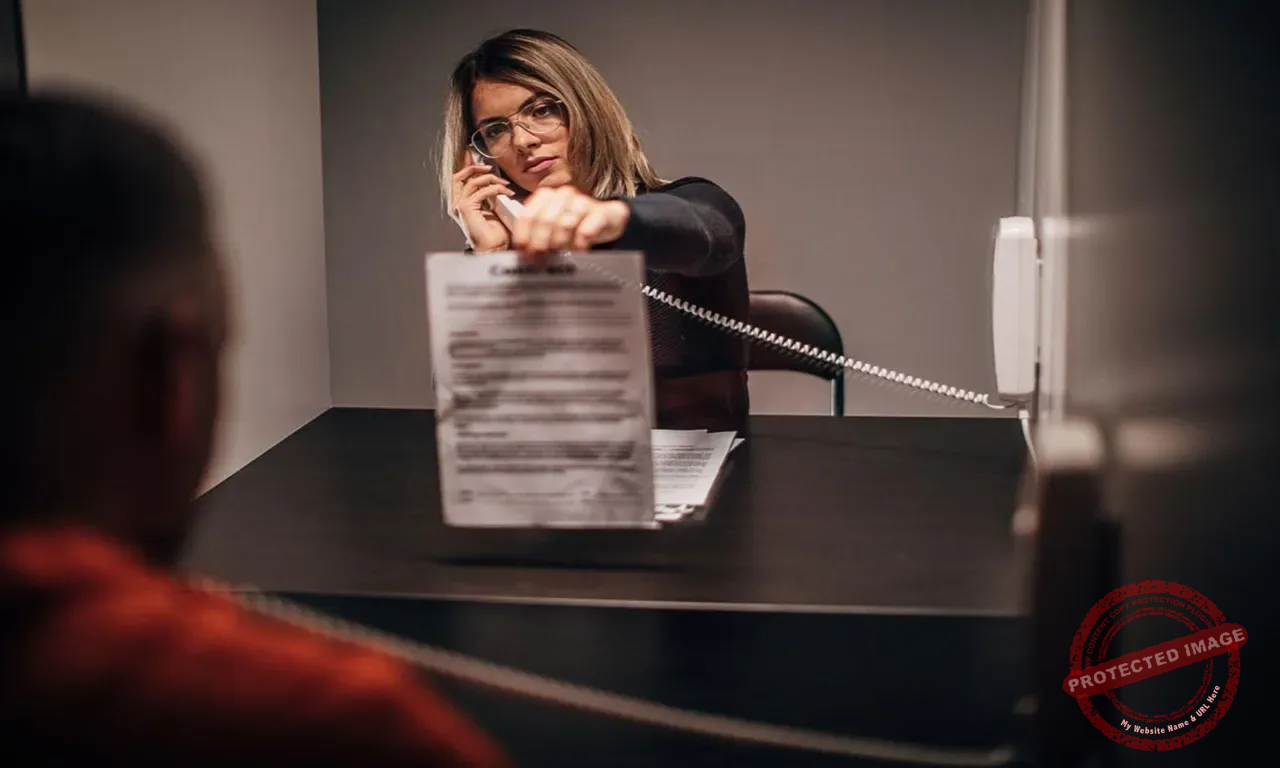
Many inmates and families successfully recover compensation and accountability after proving prison misconduct occurred. A prison rights attorney often helps victims recover damages involving medical neglect, physical abuse, or unsafe conditions. For example, inmates denied urgent healthcare have successfully challenged correctional facilities through legal action. Real examples often encourage families to protect rights instead of remaining silent.
Common Prison Rights Mistakes to Avoid
Simple mistakes sometimes weaken prison rights claims significantly. Delaying complaints, ignoring medical records, or failing to preserve communication may reduce compensation opportunities. A prison rights attorney helps families avoid errors affecting legal outcomes. Imagine losing important evidence because grievances were never documented properly. Avoiding common mistakes often strengthens legal claims and improves accountability after prison abuse.
How Prison Abuse Affects Families Emotionally
Prison abuse often affects entire families emotionally, financially, and psychologically. A prison rights attorney sometimes reviews how inmate mistreatment impacts loved ones outside correctional facilities. Imagine families feeling helpless while watching health conditions worsen during incarceration. Emotional suffering involving fear, anxiety, and uncertainty often becomes an important part of prison rights legal claims and recovery discussions.
Final Steps Before Filing a Prison Rights Claim
Before filing claims, inmates and families should preserve medical records, document incidents, gather witness information, and seek legal guidance quickly. A prison rights attorney helps organize evidence and build strong legal strategies. Think of preparation like building a strong foundation before facing difficult legal battles. Good preparation often strengthens accountability and improves compensation opportunities after prison rights violations.
Future Legal Changes in Prison Rights Laws
Prison rights laws continue evolving as courts review inmate protections, prison conditions, and correctional accountability. A prison rights attorney stays updated on legal changes affecting inmate healthcare, abuse claims, and constitutional protections. For example, stronger prison reform laws may improve inmate safety and accountability for correctional facilities. Understanding future legal developments helps inmates and families stay informed while protecting legal rights after mistreatment.
How Technology Is Helping Prison Rights Cases
Technology increasingly helps prove prison rights violations through surveillance footage, medical records, digital communication, and documented grievances. A prison rights attorney often reviews electronic evidence to strengthen legal claims. Video recordings sometimes expose abuse or unsafe conditions clearly. Strong digital documentation often improves accountability, compensation opportunities, and legal outcomes after inmate mistreatment or correctional negligence.
Expert Advice for Protecting Your Legal Rights
Protecting legal rights begins immediately after prison mistreatment occurs. Inmates and families should preserve medical records, document injuries, report unsafe conditions, and avoid delaying complaints. A prison rights attorney helps families avoid mistakes that weaken legal claims. Think of preparation like protecting valuable evidence during emergencies. Taking quick action often strengthens accountability and improves compensation opportunities after prison abuse.
Mistakes Families Should Avoid During Prison Rights Cases
Many families accidentally weaken claims by delaying legal help, losing records, or ignoring grievance procedures. A prison rights attorney often warns against waiting too long before documenting prison neglect or abuse. For example, missing medical records may make proving mistreatment harder later. Avoiding simple mistakes often strengthens legal claims and improves justice outcomes after inmate rights violations.
Why Legal Support Matters After Prison Rights Violations
Prison rights violations often create emotional stress, medical concerns, and uncertainty for inmates and families. A prison rights attorney provides legal guidance, emotional reassurance, and strong advocacy during difficult situations. Families frequently feel powerless against correctional systems ignoring inmate safety or healthcare. Professional legal help often improves accountability, protects constitutional rights, and increases opportunities for justice after prison abuse or neglect.
FAQs
What does a prison rights attorney do?
A prison rights attorney helps inmates and families challenge abuse, medical neglect, unsafe conditions, and constitutional rights violations inside correctional facilities.
When should I contact a prison rights attorney?
You should contact a prison rights attorney immediately after prison abuse, denied medical care, unsafe housing, or ignored grievances because quick legal action strengthens claims.
Can inmates sue correctional facilities?
Yes, inmates may sue if prison officials violate constitutional protections involving abuse, neglect, or unsafe conditions. A prison rights attorney reviews available evidence carefully.
How much does a prison rights attorney cost?
Many prison rights attorney services work through contingency fees or hourly arrangements depending on legal complexity and case details.
What compensation can prison abuse victims recover?
Victims may recover compensation involving emotional distress, medical harm, physical injuries, negligence, and financial damages depending on evidence and severity.
How long do prison rights claims take?
Claim timelines vary depending on legal complexity, available evidence, negotiations, and whether court proceedings become necessary.
Do families need a prison rights attorney for minor concerns?
Yes, even smaller problems may become serious later. Speaking with a prison rights attorney helps protect inmate rights and avoid worsening situations.
Conclusion
Prison rights violations can leave inmates and families feeling frustrated, helpless, and emotionally overwhelmed. Whether the issue involves denied medical care, unsafe living conditions, abuse, or constitutional violations, understanding legal protections becomes essential for safety and accountability. That is why working with an experienced prison rights attorney often makes a major difference. From investigating prison misconduct and protecting inmate rights to seeking compensation and improving prison accountability, legal guidance helps families move forward with confidence. If someone you love recently experienced prison mistreatment, speaking with a trusted prison rights attorney may be the first important step toward justice, protection, and peace of mind.